Accurate characterization of bauxite ores is crucial for optimizing aluminum manufacturing procedures. X-ray diffraction (XRD) is a robust analytical method that delivers in-depth insights into the mineralogical composition of bauxite ores, with particular emphasis on active alumina (AAl2O3) and reactive silica (RSiO2).
What Is Active Alumina (AAl2O3) and Reactive Silica (RSiO2) in Bauxite Ore?
These two parameters serve as key performance indicators in the Bayer process, which remains the primary technique for alumina extraction from bauxite.
Active alumina, primarily in the forms of gibbsite, boehmite, and diaspore, dictates both the efficiency and yield of the alumina extraction process. Reactive silica, commonly occurring as kaolinite and quartz, can form undesirable sodium aluminosilicate phases during digestion, thereby decreasing alumina recovery and elevating operational expenses.
Using X-Ray Diffraction (XRD) to Characterize Bauxite Ores
Using XRD to quantify active alumina and reactive silica in bauxite ores offers advantages over conventional wet-chemical evaluation techniques, as it provides rapid, non-destructive, and precise mineralogical information. Additionally, the XRD workflow can reduce reliance on wet-chemical analysis methods, helping minimize the use of hazardous reagents while reducing analytical costs.
A detailed understanding of the mineralogical complexity of bauxite ores through XRD contributes to enhanced process efficiency, reduced impurities, and optimized resource use, ultimately supporting more sustainable and economical alumina production.
ARL X'TRA Companion XRD System for Routine Bauxite Analysis
The Thermo Scientific™ ARL™ X’TRA Companion XRD System (see Figure 1) is a simple, user-friendly benchtop XRD tool designed for routine phase evaluation and more sophisticated applications.
The ARL X’TRA Companion XRD System leverages a θ/θ goniometer (160 mm radius) in Bragg-Brentano geometry paired with a 600 W X-ray source of copper (Cu) or cobalt (Co). Divergence and Soller slits control the beam's radial and axial collimation, while a variable beam knife reduces air scattering. An optional integrated water chiller is also available.
Equipped with a cutting-edge solid-state pixel detector (55 x 55 μm pitch), the ARL X’TRA Companion instrument delivers ultrafast data acquisition. It also features one-click Rietveld quantification capabilities and automated result transmission to a LIMS (Laboratory Information Management System), seamlessly integrated into Thermo Scientific™ SolstiX™ Pronto Instrument Control Software.
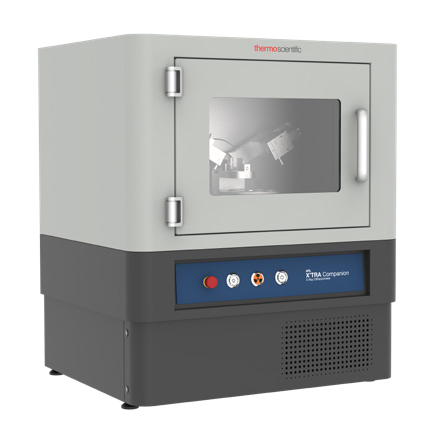
Figure 1. ARL X’TRA Companion Diffraction System. Image Credit: Thermo Fisher Scientific
Experimental Method for Bauxite CRM Analysis
Bauxite CRMs BCS 395 and NIST 696 were analyzed in reflection mode with Cu Kα (1.541874 Å) radiation for 10 minutes (5–65 ° 2θ). To minimize sample fluorescence, data was collected with a spinning sample and electronic photon-energy filtering (see Figures 2 and 3).
Quantitative analysis using the Rietveld method was carried out with Profex software (BGMN), and AAl2O3 (boehmite and gibbsite) and RSiO2 (clays and quartz) were computed.
Results: Quantification of Mineral Phases in BCS 395 and NIST 696
Phase identification and quantification reveal elevated levels of alumina and low levels of silica-bearing phases (see Table 1).
The certified elemental composition is in good agreement with the results of the Rietveld refinements.
Deviations are most likely caused by variations from database constituent compositions, a frequent occurrence in natural samples (see Table 2).
This yields AAl2O3 of 54.4 % (BCS 395) and 54.5 % (NIST 696), with RSiO2 values of 1.0 % (BCS 395) and 4.4 % (NIST 696), respectively. Both samples qualify as high-quality ores suitable for use in the Bayer process.
Conclusion
Data collected in a 10-minute measurement using the ARL X'TRA Companion Diffractometer System demonstrated suitability for determining AAl2O3 and RSiO2 in bauxite ore samples owing to the high-performance detector and excellent photon energy filtering capabilities.
The SolstiX Pronto Software reduces operator burden by making one-click analysis accessible to all users, thereby boosting efficiency while maintaining high-quality outcomes.
Table 1. Refinement results of BCS 395 and NIST 696. Source: Thermo Fisher Scientific
| |
Composition (in wt %) |
| Phases |
BCS 395 |
NIST 696 |
| Gibbsite Al(OH)3 |
80.3 |
83.4 |
| Boehmite AlO(OH) |
1.9 |
N/A |
| Hematite Fe2O3 |
5.1 |
2.0 |
| Goethite FeO(OH) |
9.1 |
4.3 |
| Anatase TiO2 |
0.3 |
1.9 |
| Rutile TiO2 |
1.8 |
0.9 |
| Quartz SiO2 |
0.6 |
1.8 |
| Kaolinite Al4Si4O10(OH)8 |
N/A |
5.7 |
| Nacrite Al4Si4O10(OH)8 |
1.0 |
N/A |
Table 2. Calculated vs. certified elemental composition of BCS 395 and NIST 696. Source: Thermo Fisher Scientific
BCS 395
(in wt%) |
LOI |
Al2O3 |
SiO2 |
TiO2 |
Fe2O3 |
| XRD |
28.0 |
54.8 |
1.0 |
2.1 |
14.1 |
| Certificate |
27.8 |
52.4 |
1.2 |
1.9 |
16.3 |
BCS 696
(in wt%) |
LOI |
Al2O3 |
SiO2 |
TiO2 |
Fe2O3 |
| XRD |
29.7 |
56.8 |
4.4 |
2.8 |
6.3 |
| Certificate |
29.9 |
54.5 |
3.8 |
2.6 |
8.7 |
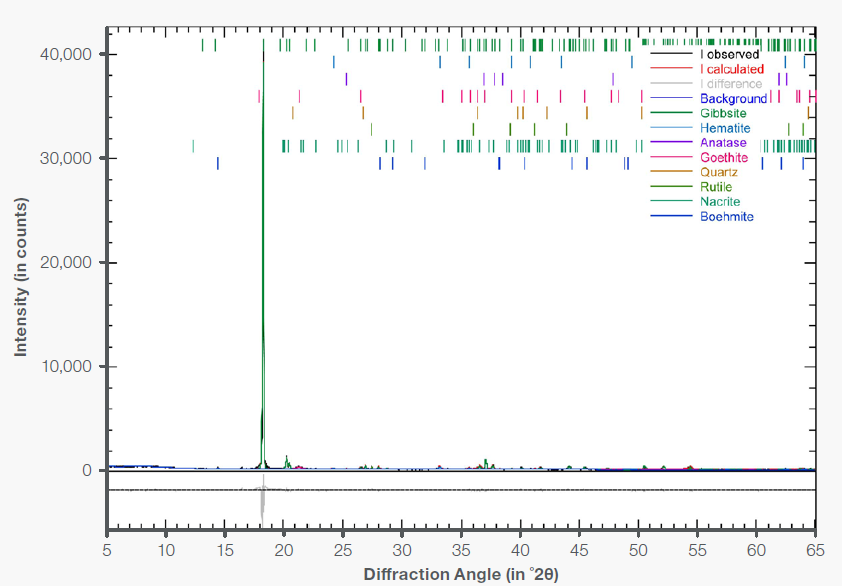
Figure 2. Measurement (10 minutes) of BCS 396 bauxite ore. Image Credit: Thermo Fisher Scientific
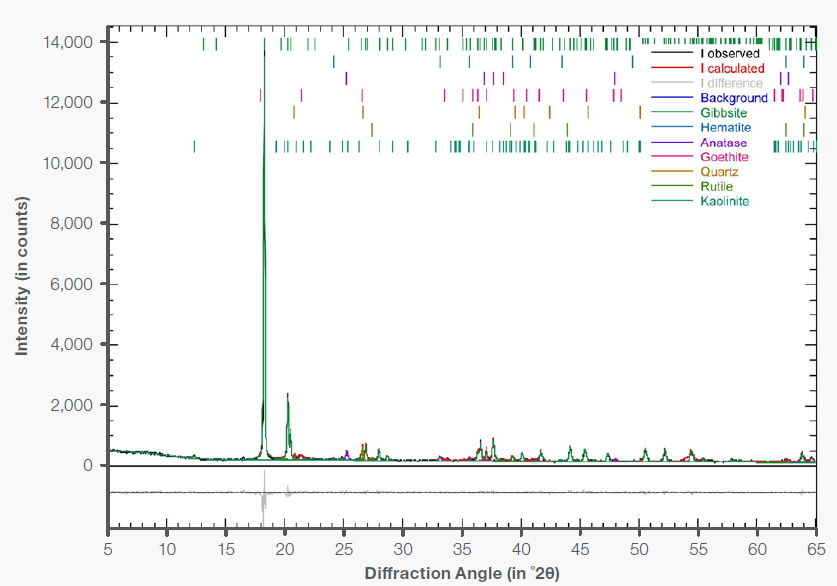
Figure 3. Measurement (10 minutes) of NIST 696 bauxite ore. Image Credit: Thermo Fisher Scientific
Acknowledgments
Produced from materials originally authored by Dr. Simon Welzmiller, Application Specialist at XRD.

This information has been sourced, reviewed and adapted from materials provided by Thermo Fisher Scientific – Mining Process and Analytical Solutions
For more information on this source, please visit Thermo Fisher Scientific – Mining Process and Analytical Solutions.