Sand is the foundation of modern civilization. It is used in concrete, glass, asphalt, bricks, and even inside mobile phones. After water, sand and similar materials, such as gravel and crushed rock, are the second-most-used natural resources on Earth. Every year, about 50 billion tonnes are extracted, which is three times more than two decades ago.
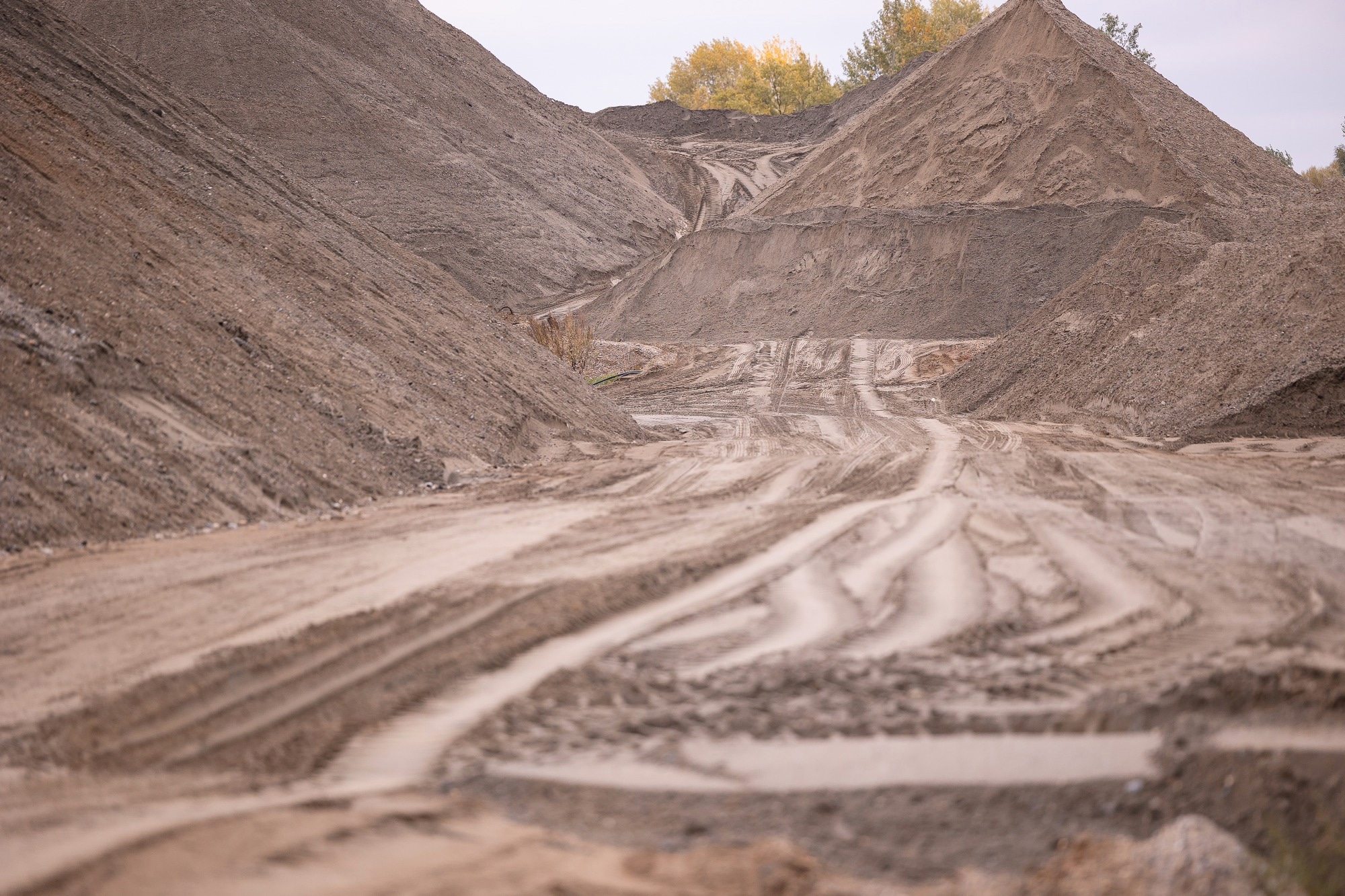 Image Credit: Parilov/Shutterstock
The demand for sand continues to grow as cities expand, infrastructure develops, and populations increase. At the same time, the locations where sand is sourced, including rivers, deltas, beaches, and coastal waters, are experiencing overuse and pollution.
A company called OreSand Inc, established by a University of Queensland spinout, has developed a promising solution to this issue. Their concept simultaneously addresses sand shortages and other major environmental challenges.
The Two Crises that Collide
The sand shortage is already affecting ecosystems and communities. In many areas, the amount of sand being removed exceeds what can be naturally replenished. This is causing problems like eroding riverbanks, damaged coastal areas, and even conflicts over limited resources. While sand is a crucial material for construction and development, it doesn’t get the attention it deserves compared to other materials.1
Another major challenge comes from mining waste, as the global mining industry produces between 30 and 60 billion tonnes of waste annually. Most of that waste ends up in tailings storage facilities, where structural failure and geochemical instability can create severe environmental and human harm.1
OreSand Inc treats these problems as connected rather than separate. The logic is direct. If mining can recover a usable sand product before waste is discarded, then the same operation can reduce tailings volume and add a new output stream. That matters because the mining sector faces growing scrutiny over waste management and long-term liability. The approach also aligns with a growing trend towards reusing materials in a way that benefits both industry and the environment.1
What OreSand Inc Actually Does
OreSand Inc, in collaboration with the University of Queensland's Sustainable Minerals Institute (SMI), partners with mining companies to extract clean, high-quality sand as a co-product of ore processing before it becomes a tailings issue.2,3
In copper or iron ore mining, the process involves crushing and grinding rock to release target metals. However, only a small fraction of this massive volume results in a usable product. The remainder, which can amount to thousands of tonnes per day in large operations, enters the tailings stream.2,3
OreSand Inc modifies the mineral processing flowsheet, which is the sequence of physical and chemical steps involved in ore treatment. This modification leads to the capture and separation of a clean sand fraction at the appropriate stage. The outcome is a manufactured sand product with defined quality, sourced directly from the ore body.2,3
According to Professor Daniel Franks, the leader of OreSand Inc., this innovative approach shifts the focus from what to do with waste to how to use the entire ore body wisely. The team at SMI describes this method as nose-to-tail mining, emphasizing the importance of utilizing the complete ore body rather than discarding everything except the valuable metals.2,3
The Carbon and Commercial Case
One of the most underappreciated advantages of OreSand is its carbon profile. Because the crushing and grinding of ore is already performed as a necessary step in metal extraction, the energy-intensive work of producing sand has, in effect, already been paid for.1,4
Conventional natural sand extraction, particularly marine dredging and riverbed extraction, requires its own heavy machinery, transport logistics, and environmental controls. Ore-sand largely avoids that duplicated energy expenditure, making it a lower-carbon product from a life cycle perspective.1,4
A comprehensive life cycle assessment conducted on Vale's iron ore operation at Brucutu, Brazil, stands as one of the most detailed case studies in the field. This assessment revealed that substituting naturally sourced sand with ore-sand can lead to net reductions in carbon emissions during sand production, with transport distance being a key variable to manage.1,4
Saving this for later? Download a PDF here.
Commercially, ore-sand generates revenue from material that would otherwise require costly storage and management. Mining companies face growing regulatory and financial pressure around tailings, and any reduction in tailings volume translates directly into lower liability and reduced infrastructure costs. The OreSand approach converts a liability into an asset.1,4
Scale, Geography, and Market Potential
The geographic potential of ore-sand is significant. By mapping global mine locations against sand consumption data, researchers from the University of Queensland and the University of Geneva found that almost a third of mine sites worldwide could find demand for ore-sand within a 50-km transport radius. Within that range, ore-sand production could achieve at least a 10% reduction in tailings volume at each participating site.3,5
The same analysis found that nearly half of global sand demand by volume could theoretically be met by a local source of ore-sand. In China alone, ore sand could potentially substitute one billion metric tonnes of sand demand annually. These are not hypothetical projections built on optimistic assumptions; they are modeled from real consumption data and mine distribution maps.3,5
The construction applications are broad. Ore-sand produced at quality has been tested and found suitable for concrete, mortars, bricks, road sub-base, and mine backfill. The major ore types that contribute the most material to this opportunity include iron ore, copper, gold, coal, phosphate, and zinc operations. All of these operations crush and grind enormous volumes of rock.3,5
Global Recognition and Next Steps
OreSand Inc has gained wider recognition as the idea has moved from research into commercial planning. In May 2025, the World Economic Forum named the company among eight global Uplink Top Innovators. That recognition matters because it signals outside confidence in the model and helps connect the venture to funding, policy, and industry partners.2
The road ahead still includes regulatory review, product testing, and supply chain development. OreSand Inc is building a Knowledge Hub with Queensland Government support to guide companies and regulators through site-specific assessment. The project began as a collaboration between the University of Queensland and the University of Geneva, with early work at Vale's Brucutu mine in Brazil. It now stands as one of the clearest examples of how sustainable sand mining can link environmental repair with industrial value.1,3,4
References and Further Reading
- Golev, A. et al. (2022). Ore-sand: A potential new solution to the mine tailings and global sand sustainability crises. Final Report. Version 1.5. The University of Queensland & University of Geneva. DOI:10.14264/503a3fd. https://unepgrid.ch/storage/app/media/activities/Sand/FinalReport_OreSand_v1.5.pdf
- UQ sand mining startup named among top global innovators by World Economic Forum. (2025). The University of Queensland. https://news.uq.edu.au/2025-05-uq-sand-mining-startup-named-among-top-global-innovators-world-economic-forum
- OreSand: A circular economy solution to reduce mineral wastes and improve global sand sustainability. (2024). The University of Queensland. https://smi.uq.edu.au/gcms/research/ore-sand
- Ed Pearcey. (2025). A new approach to dealing with the dangers of tailings. Mining Technology. https://www.mining-technology.com/analysis/oresand-tailings/
- Creating a sustainable alternative to naturally occurring sand extraction. (2022). Innovation News Network. https://www.innovationnewsnetwork.com/creating-sustainable-alternative-naturally-occurring-sand-extraction/20307/
Disclaimer: The views expressed here are those of the author expressed in their private capacity and do not necessarily represent the views of AZoM.com Limited T/A AZoNetwork the owner and operator of this website. This disclaimer forms part of the Terms and conditions of use of this website.