The cobalt market entered 2026 with firmer prices than a year earlier, yet the broader structure remains unsettled. Supply growth from the last two years left the market with excess material, and that earlier surplus still shapes inventories, trade behavior, and buying strategies.
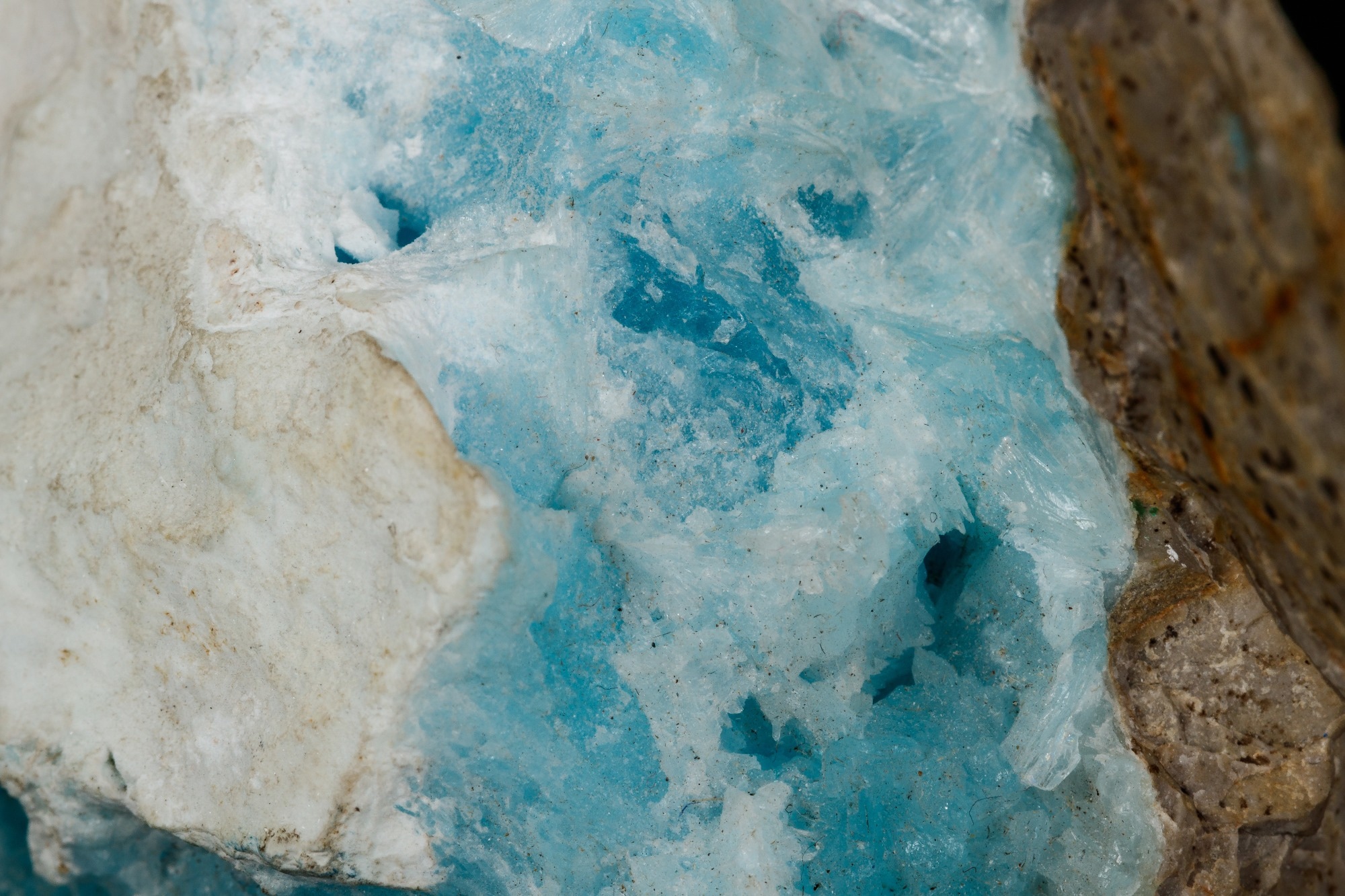 Image Credit: Minakryn Ruslan/Shutterstock
At the same time, demand continues to grow across the battery, consumer electronics, and aerospace sectors. This leaves the market in a unique position where it faces immediate shortages while also looking toward future growth.1
The year is marked by tension as producers adjust output amid shrinking profits. Refiners are watching feedstock availability, and battery makers are balancing cost, performance, and procurement risk. For investors and industrial buyers, 2026 centers on the ways geography, policy, and technology are redistributing control over supply and reshaping procurement decisions across regions today. The market is becoming more regional, more strategic, and more sensitive to policy shocks.1,2,3
The DRC's Quota Regime and Its Consequences
On September 21, 2025, the Democratic Republic of Congo (DRC) replaced a months-long export ban with a formal quota system, capping cobalt hydroxide exports at 96,600 tonnes for 2026. That figure represents less than half the country's 2024 production of 211,000 tonnes. This decision led to a remarkable price increase, with cobalt hydroxide prices soaring 263%, jumping from US$4,012 per tonne in Q4 2024 to US$14,560 per tonne in Q4 2025.4,5
Administrative delays have compounded the supply crunch considerably. No exports left the DRC from June 2025 onwards, and Q4 2025 quotas rolled over into Q1 2026 with no clear dispatch timeline. S&P Global's Alice Yu noted that Chinese cobalt stocks could hit dangerously low levels by early 2026, leading to a supply squeeze that may persist well beyond the first quarter, as the DRC produces over 74% of the world’s cobalt.4,6
Indonesia's Rise as a Competing Supply Pole
While the DRC tightens its grip on exports, Indonesia is rapidly expanding its footprint in the cobalt market. Indonesian cobalt production reached 38,324 tonnes in 2025 and is forecast to climb 39.1% to 53,318 tonnes in 2026. The growth is tied to large-scale mixed hydroxide precipitate (MHP) operations using high-pressure acid leaching (HPAL) technology, which extracts cobalt as a byproduct of nickel ore processing.5
Cobalt has shifted from a byproduct afterthought to a critical margin driver for Indonesian producers, especially as nickel prices languished around US$15,000 per tonne for most of 2025. The rising cost of sulfur, due to Russia's export ban, is also affecting HPAL operations that use sulfuric acid, which makes up about 25% of their expenses. Indonesia will not overtake the DRC in 2026 on a production basis, but if DRC export delays continue and actual shipments fall to 70,000–80,000 tonnes, Indonesia's competitive position in the global cobalt feedstock market strengthens further.5,6
LCO's Quiet Renaissance in Consumer Electronics
Battery manufacturers spent the last decade removing cobalt from electric-vehicle chemistries. Yet lithium cobalt oxide (LCO) is growing again, powered by consumer electronics. The global LCO battery market is projected to grow at a CAGR of 4.3% through 2033–2035, driven by smartphones, laptops, tablets, and wearables that depend on LCO's superior volumetric energy density.5,7
Artificial intelligence (AI)-powered devices are accelerating this trend substantially. More powerful onboard processors demand larger batteries, and LCO's density per unit volume makes it the preferred cathode for slim, high-performance form factors. In 2025, LCO production rose an estimated 25% year-on-year, consuming an additional 16,000 tonnes of cobalt. New high-voltage LCO types provide even more energy for gadgets like drones and wearables, opening entirely new application segments. With more devices in circulation and faster upgrades, the demand for LCO is expected to keep growing over the next decade.5,7
Defence and Aerospace: The Strategic Premium Bid
Defence and aerospace are lesser-known factors influencing the price of cobalt in the market. Global military expenditure reached US$2.7 trillion in 2024, an 11% year-on-year increase and the steepest rise since the Cold War. Defense spending is projected to exceed US$2.8 trillion in 2025 and approach US$3.0 trillion by 2028.5
Download the PDF of this page here
Cobalt-based superalloys are integral to aerospace applications. Turbine blades, combustion chamber liners, and other hot-section engine components operate at temperatures exceeding 1,500°C, and these alloys contain 40–65% cobalt by weight. Substitution requires multi-year requalification processes of 18 to 24 months, even for minor alloy changes, making demand in this segment structurally inelastic.5
The US government has already committed to purchasing US$500 million worth of cobalt and invested US$30 million into Brazilian nickel-cobalt supply chains, signaling that cobalt's status as a critical mineral will drive significant strategic procurement well into the foreseeable future.5
The Circular Economy Perspective
On August 1, 2025, China lifted its 10-year ban on black mass imports, opening the world's largest battery recycling and refining network to global feedstock flows. With over 85% of the world's black mass refining capacity, many Chinese facilities have struggled with low usage due to material shortages and falling metal prices. This policy change could lead to a significant surge in operations, although strict quality requirements, including a fluoride limit of 0.4%, may still hinder imports from Europe and North America.5
The economics of recycling are strengthening alongside this policy shift. Cobalt payables in black mass rose from around 70% in early 2025 to over 80% in most regions by year-end. Secondary cobalt accounts for about 17% of total feedstock supply today, but Wood Mackenzie projects recycled supply to grow 43% in 2026.
A recent Scientific Reports study found that selective low-cost material imports combined with recycling investment can offset supply concentration risks effectively, pointing toward a more resilient cobalt supply chain architecture.3,5
A Market at an Inflection Point
In 2026, the cobalt market is shaped by various factors, including resource nationalism, the clean energy transition, and critical-mineral competition. The DRC's quota policy, Indonesia's expanding output, LCO's resilience in electronics, defense-sector demand, and the expanding circular economy together define a market undergoing a genuine structural transition. Cobalt prices soared to around $56,414 per metric tonne, and the tightness driving those prices reflects forces that are very unlikely to resolve quickly.8
References and Further Reading
- Cobalt Market Report. (2025). Cobalt Institute. https://www.cobaltinstitute.org/resource/cobalt-market-report-2024/
- Liu, W. et al. (2025). Novel assessment of China's cobalt supply chain resilience based on DPSIR model and machine learning. Resources, Conservation and Recycling, 215, 108107. DOI:10.1016/j.resconrec.2024.108107. https://www.sciencedirect.com/science/article/abs/pii/S0921344924006979
- Jia, S., Meng, W., & Li, S. (2025). Risks of mineral resources in the supply of renewable energy batteries. Scientific Reports, 15(1), 10142. DOI:10.1038/s41598-025-94848-8. https://www.nature.com/articles/s41598-025-94848-8
- COMMODTIES 2026: Cobalt supply delays from DRC spark uncertainty in Asian, European markets. (2025). SP Global. https://www.spglobal.com/energy/en/news-research/latest-news/metals/122225-commodties-2026-cobalt-supply-delays-from-drc-spark-uncertainty-in-asian-european-markets
- Cobalt: Five things to look for in 2026. (2026). Wood Mackenzie. https://go.woodmac.com/l/131501/2026-01-13/358nrg/131501/1768298524ZG3AaZpt/Cobalt__5_things_to_look_for_in_2026.pdf
- Congo's export quotas squeeze cobalt supply as Indonesia's ramps up. (2025). SP Global. https://www.spglobal.com/energy/en/news-research/latest-news/metals/123125-congos-export-quotas-squeeze-cobalt-supply-as-indonesias-ramps-up
- Strategic Insights for Lithium Cobalt Oxide Battery (LCO) Market Growth. (2026). Data Insights Market. https://www.datainsightsmarket.com/reports/lithium-cobalt-oxide-battery-lco-117386
- Williams, G. (2026). Cobalt Market Forecast: Top Trends for Cobalt in 2026. INN. https://investingnews.com/daily/resource-investing/battery-metals-investing/cobalt-investing/cobalt-forecast/
Disclaimer: The views expressed here are those of the author expressed in their private capacity and do not necessarily represent the views of AZoM.com Limited T/A AZoNetwork the owner and operator of this website. This disclaimer forms part of the Terms and conditions of use of this website.