Mineralogical and thermal analyses confirm Benue Valley clays are suitable for durable ceramic bricks. Optimal firing improves strength and reduces porosity, supporting local, sustainable, and cost-effective ceramic manufacturing.
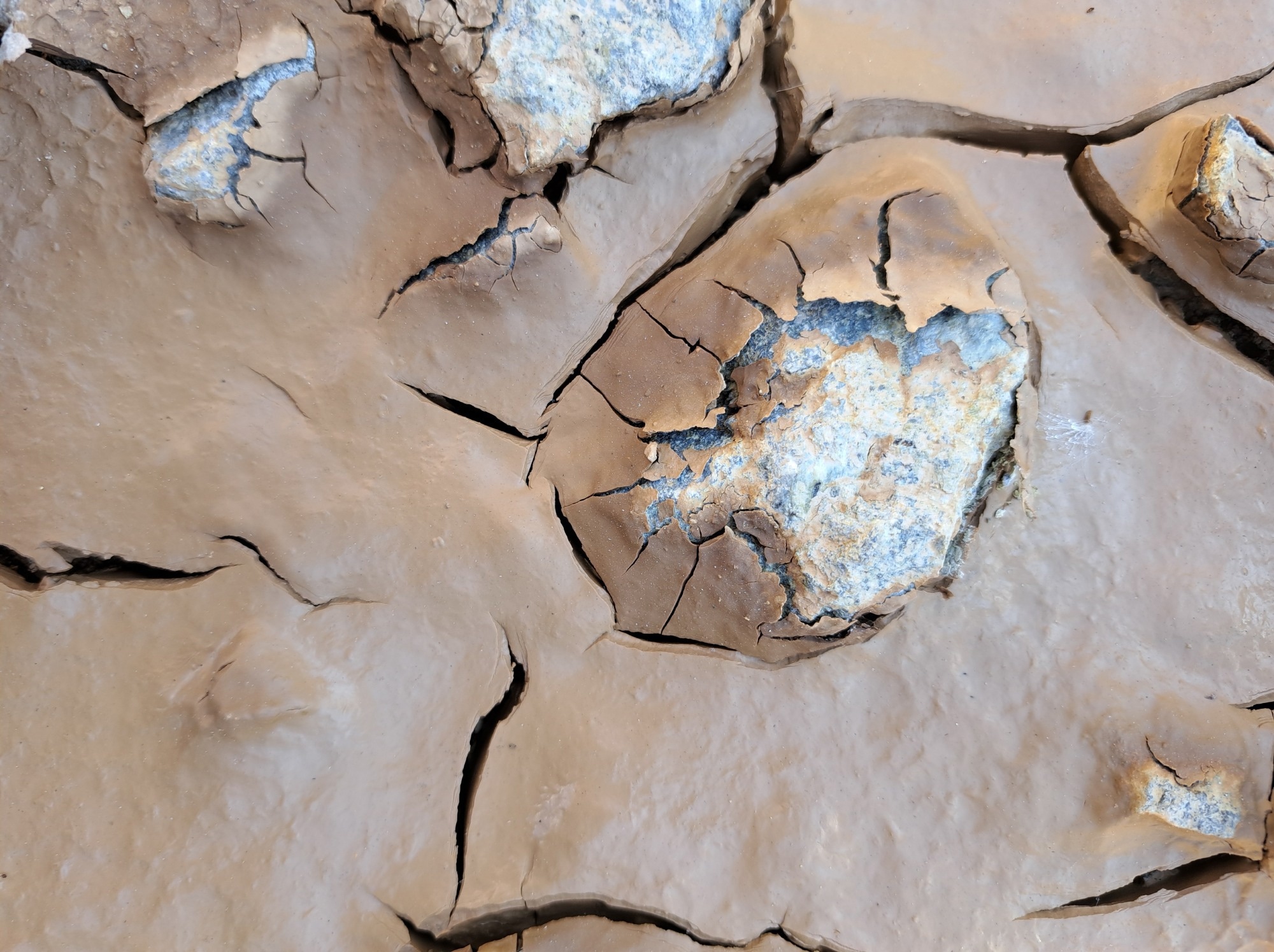 Study: Clay deposits in the Benue Valley, Northern Cameroon: mineralogical, chemical and technological characterisation for uses in ceramic bricks production. Image Credit: Mantis Pictures/Shutterstock.com
A recent study published in the journal Scientific Reports examined the mineralogical, chemical, and technological properties of clay deposits in the Benue Valley, Northern Cameroon. Researchers assessed the suitability of these local materials for ceramic brick production, highlighting their strong potential for use in the ceramics industry.
The findings highlight the importance of utilizing indigenous clay resources to improve the quality of locally produced ceramic products. This approach also supports sustainable construction by reducing environmental impact and promoting local economic development.
Characteristics of Benue Valley Clays
Clay materials are widely used in the construction and ceramics industry due to their physicochemical properties, including plasticity, moldability, and hardening upon drying and firing, as well as their abundance and low cost. The clay deposits in the Benue Valley exhibit diverse mineral compositions, including quartz, smectite, kaolinite, and K-feldspar. Their suitability for ceramic production is determined by physical, chemical, and mineralogical characterization, which supports improved processing techniques and product quality.
Utilizing local clay resources reduces reliance on imported materials while promoting sustainable practices and regional economic development. This study focuses on the mineralogical and chemical characterization of Benue Valley clays, including the effects of firing temperature on their properties, to optimize their use in ceramic production.
Methodological Framework for Clay Characterization
Researchers conducted fieldwork and laboratory analyses to characterize clay deposits from the Pitoa subdivision in the Benue Valley. They collected four samples from different locations based on their physical characteristics, including both alluvial and lateritic clays.
The samples underwent comprehensive testing to evaluate their physical, chemical, mineralogical, and technological properties. Key analyses included Atterberg limits to assess plasticity, particle-size distribution to assess grain composition, X-ray diffraction (XRD) to identify minerals, and X-ray fluorescence (XRF) to determine elemental composition. Additional techniques, such as thermogravimetric analysis (TGA) and scanning electron microscopy (SEM), were employed to examine thermal stability and microstructural features.
Firing tests were conducted at 900 °C, 1000 °C, and 1100 °C to evaluate technological properties, including bulk density, shrinkage, water absorption, and compressive strength. These analyses established a relationship between mineral composition and performance.
Key Findings: Clay Properties and Performance
The clay samples exhibited considerable variation in particle size distribution, with clay fractions ranging from 14.0% to 32.5% and sand fractions from 47% to 66%. The plasticity index exceeded 6, indicating suitable workability for ceramic applications.
Mineralogical analysis identified quartz, kaolinite, smectite, and K-feldspar as the dominant phases, while geochemical composition revealed silicon dioxide (SiO2) content above 50%, with alumina (Al2O3) and iron oxide (Fe2O3) exceeding 16% and 6%, respectively. The silica-alumina balance and mineral phases contribute to plasticity and thermal stability, playing a critical role in determining favorable firing behavior and final product performance.
Firing temperature also influenced the samples' technological characteristics. As the temperature increased from 900 °C to 1100 °C, bulk density rose from 1.74 g/cm3 to 2.07 g/cm3, and compressive strength increased from 2.23 MPa to 11.92 MPa. In contrast, water absorption and porosity decreased, indicating improved densification and structural integrity.
The clays exhibited low shrinkage and achieved partial vitrification at higher temperatures, with an optimal firing range of 1000-1100 °C for producing strong, stable ceramic products. These characteristics confirm that the Benue Valley clays possess suitable physical, chemical, and technological properties for ceramic brick production.
The Applications for the Ceramics Industry
This research demonstrates the suitability of Benue Valley clay deposits for producing high-quality ceramics for construction and decorative purposes. The use of locally sourced clays can reduce reliance on imported materials and support regional economic development.
These findings enable the establishment of small- and medium-scale ceramic industries, creating employment opportunities and improving livelihoods, particularly in artisanal sectors. They also provide a basis for optimizing processing techniques and developing products such as bricks, tiles, and pottery that meet local and international standards.
Conclusions and Future Directions
Clay deposits in the Benue Valley are suitable for producing high-quality ceramics for sustainable construction in Northern Cameroon. The mineralogical and chemical characterization confirms their effectiveness for ceramic applications while supporting the use of local resources to reduce environmental impact and promote economic development.
The findings enable improvements in processing techniques and support applications such as bricks, tiles, and pottery, thereby contributing to job creation and strengthening local industries. Future work should focus on further optimizing processing and firing methodologies, exploring additional clay deposits and material combinations, and expanding the implications for fully utilizing these resources in construction and related sectors.
Download the PDF of this page here
Journal Reference
Kagonbé, B.P., & et al. (2026). Clay deposits in the Benue Valley, Northern Cameroon: mineralogical, chemical and technological characterisation for uses in ceramic bricks production. Sci Rep. DOI: 10.1038/s41598-026-47855-2, https://www.nature.com/articles/s41598-026-47855-2
Disclaimer: The views expressed here are those of the author expressed in their private capacity and do not necessarily represent the views of AZoM.com Limited T/A AZoNetwork the owner and operator of this website. This disclaimer forms part of the Terms and conditions of use of this website.