A new study has found that in situ leaching could be the key to supporting uranium production while keeping environmental impacts low.
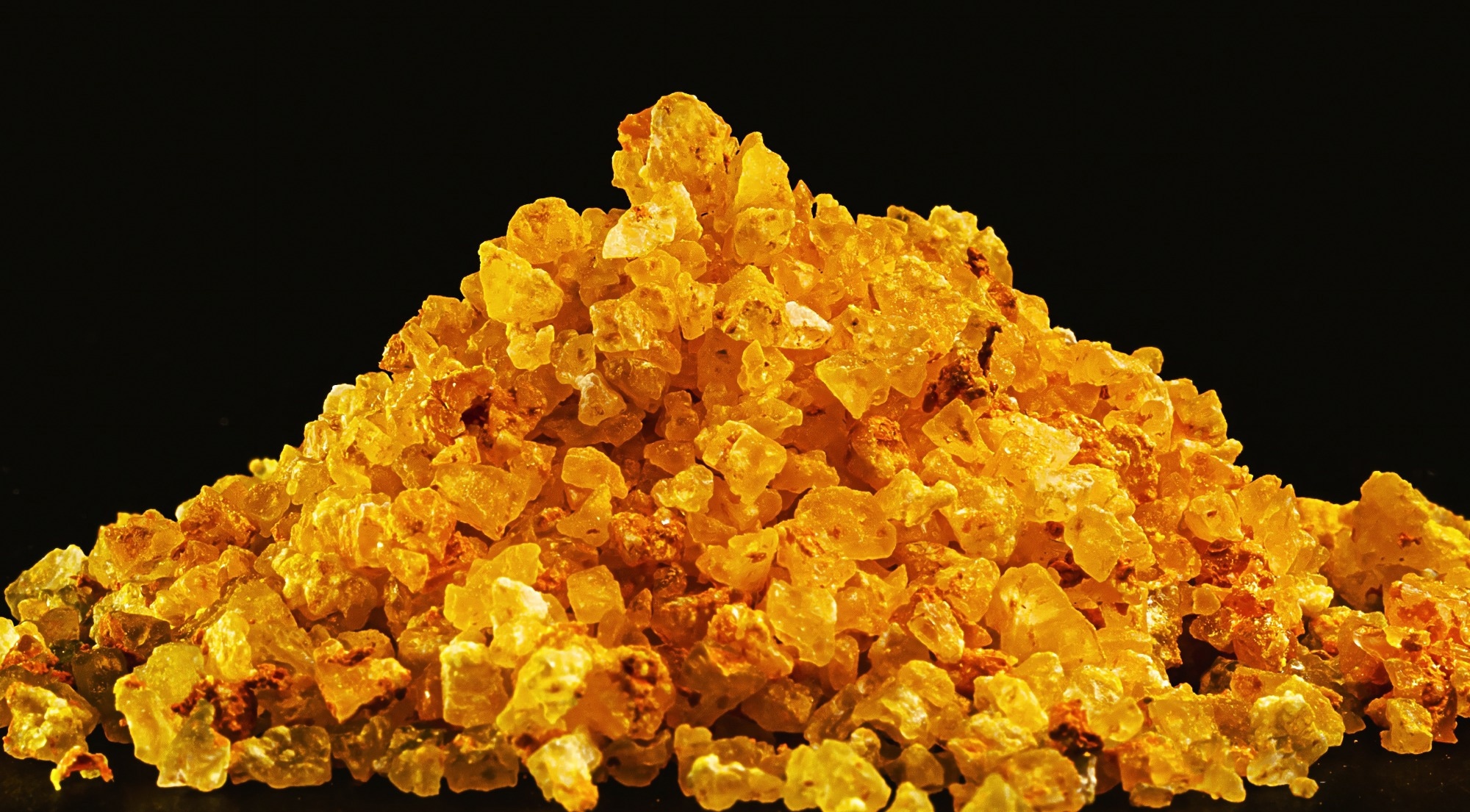
Study: Assessment of the Environmental Impact of Uranium Mining Sites: A Case Study of a Uranium Deposit in Southern Kazakhstan. Image Credit: RHJPhtotos/Shutterstock.com
A recent study published in Toxics investigates the environmental and radiological impacts of in-situ leaching (ISL) uranium mining in southern Kazakhstan. The researchers analyzed soil samples collected around the Kharasan mining area to evaluate trace metal concentrations, naturally occurring radionuclides, ecological risks, and potential human health effects. The results indicate that soil contamination was limited and radiation risks remained low.
Click here to download a free PDF copy of this page
Understanding Environmental Risks Around In Situ Uranium Mining
In-situ leaching (ISL) has become one of the world's leading uranium extraction methods because it recovers uranium without extensive excavation or the large volumes of waste rock generated by conventional mining.
Instead of removing ore, operators inject a leaching solution into permeable uranium-bearing formations, dissolve the uranium underground, and pump the uranium-rich solution to the surface for processing. This approach reduces surface disturbance, lowers energy consumption, and generates less mining waste.
Kazakhstan has led global uranium production for more than a decade, supplying over 40% of the world's uranium through ISL operations. ISL generally has a smaller environmental footprint than conventional mining. However, concerns remain about the movement of trace metals and naturally occurring radioactive materials into surrounding soils.
Previous studies have examined either heavy metal contamination or radiological hazards independently. However, communities living near uranium mines may be exposed to both chemical contaminants and radioactive elements. Evaluating these hazards together provides a more complete understanding of environmental quality and potential health risks.
Researchers investigated soils surrounding the Kharasan uranium deposit in southern Kazakhstan. They measured trace metal concentrations and radionuclide activity while assessing ecological, carcinogenic, and non-carcinogenic risks to determine whether long-term ISL operations have affected the surrounding environment.
Evaluating Soil Quality and Radiological Safety
The researchers collected 45 surface soil samples from the Kharasan uranium mining region in southern Kazakhstan. They selected sampling locations within and around the mining area to capture variations in soil chemistry. After drying and sieving the samples, the team analyzed major elements, trace metals, and naturally occurring radionuclides to evaluate both chemical contamination and radiological conditions.
They measured elemental concentrations using X-ray fluorescence (XRF) spectroscopy and inductively coupled plasma mass spectrometry (ICP-MS). High-purity germanium gamma spectrometry quantified the activity of naturally occurring radionuclides, including uranium-238, thorium-232, and potassium-40. The researchers then compared these results with regional background values and average upper continental crust abundances to identify any enrichment associated with mining activities.
The researchers calculated several pollution indices, including the geo accumulation index, enrichment factor, contamination factor, pollution load index, and ecological risk index, to distinguish natural element enrichment from mining-related contamination. They also assessed radiation exposure and carcinogenic and non-carcinogenic health risks for adults and children, providing a comprehensive evaluation of the environmental and public health impacts of long-term ISL uranium mining.
Soil Contamination and Radiation Risks Remained Low
Chemical analysis showed that most trace element concentrations remained close to natural background levels. Chromium, cobalt, nickel, copper, zinc, arsenic, and cadmium exhibited little or no enrichment, indicating that ISL uranium mining has not caused widespread soil contamination. Although uranium, lead, and antimony were slightly elevated at some locations, the researchers attributed these increases mainly to the region's natural geology rather than mining activities.
The pollution indices supported these findings, with most sampling sites classified as unpolluted or only slightly polluted and enrichment factors indicating minimal human influence. The ecological risk assessment identified an overall low environmental risk, suggesting that trace metal accumulation around the mining area remains limited under current operating conditions.
Radiological measurements showed a similar pattern. Activity concentrations of naturally occurring radionuclides remained within typical ranges for uranium-bearing regions, while annual effective radiation doses stayed below internationally recommended public exposure limits, indicating a low radiation risk from surface soils.
The human health assessment estimated excess lifetime cancer risk values ranged from 0.19 × 10⁻³ to 0.30 × 10⁻³. The non-carcinogenic hazard index remained below the safety threshold for adults. Conservative estimates for children were slightly higher because of greater soil exposure and lower body weight, but the researchers note that these values do not indicate adverse health effects.
Overall, the combined chemical and radiological assessments suggest that long-term ISL uranium mining has had only a limited influence on surrounding soil quality. The findings indicate that well-managed ISL operations can support uranium production while maintaining low levels of environmental disturbance.
Advancing Sustainable Uranium Mining Practices
The study suggests that in-situ leaching can support uranium production while maintaining relatively low environmental impacts when combined with effective operational controls and continuous environmental monitoring.
It also highlights the value of integrating chemical and radiological assessments into a single environmental evaluation. This combined approach provides a more complete understanding of site conditions and helps distinguish naturally elevated element concentrations from mining-related contamination.
These findings provide valuable information for environmental management, regulatory oversight, and stakeholder communication.
The researchers acknowledge that the investigation focused on surface soils around a single ISL uranium mine. Therefore, future studies should examine groundwater, vegetation, and local food chains to better understand contaminant transport throughout the surrounding environment.
Long-term monitoring during different stages of mine operation would also help confirm whether soil quality and radiological conditions remain stable over time.
Journal Reference
Krasnopyorova, M., Gorlachev, I., et al. (2026). Assessment of the Environmental Impact of Uranium Mining Sites: A Case Study of a Uranium Deposit in Southern Kazakhstan. Toxics, 14(8), 665. DOI: 10.3390/toxics14080665, https://www.mdpi.com/2305-6304/14/8/665
Disclaimer: The views expressed here are those of the author expressed in their private capacity and do not necessarily represent the views of AZoM.com Limited T/A AZoNetwork the owner and operator of this website. This disclaimer forms part of the Terms and conditions of use of this website.