Mining operations generate far more waste than the metal they produce. For every ton of nickel or copper sent to a smelter, many tons of crushed rock are thrown away into ponds held back by earthen dams.
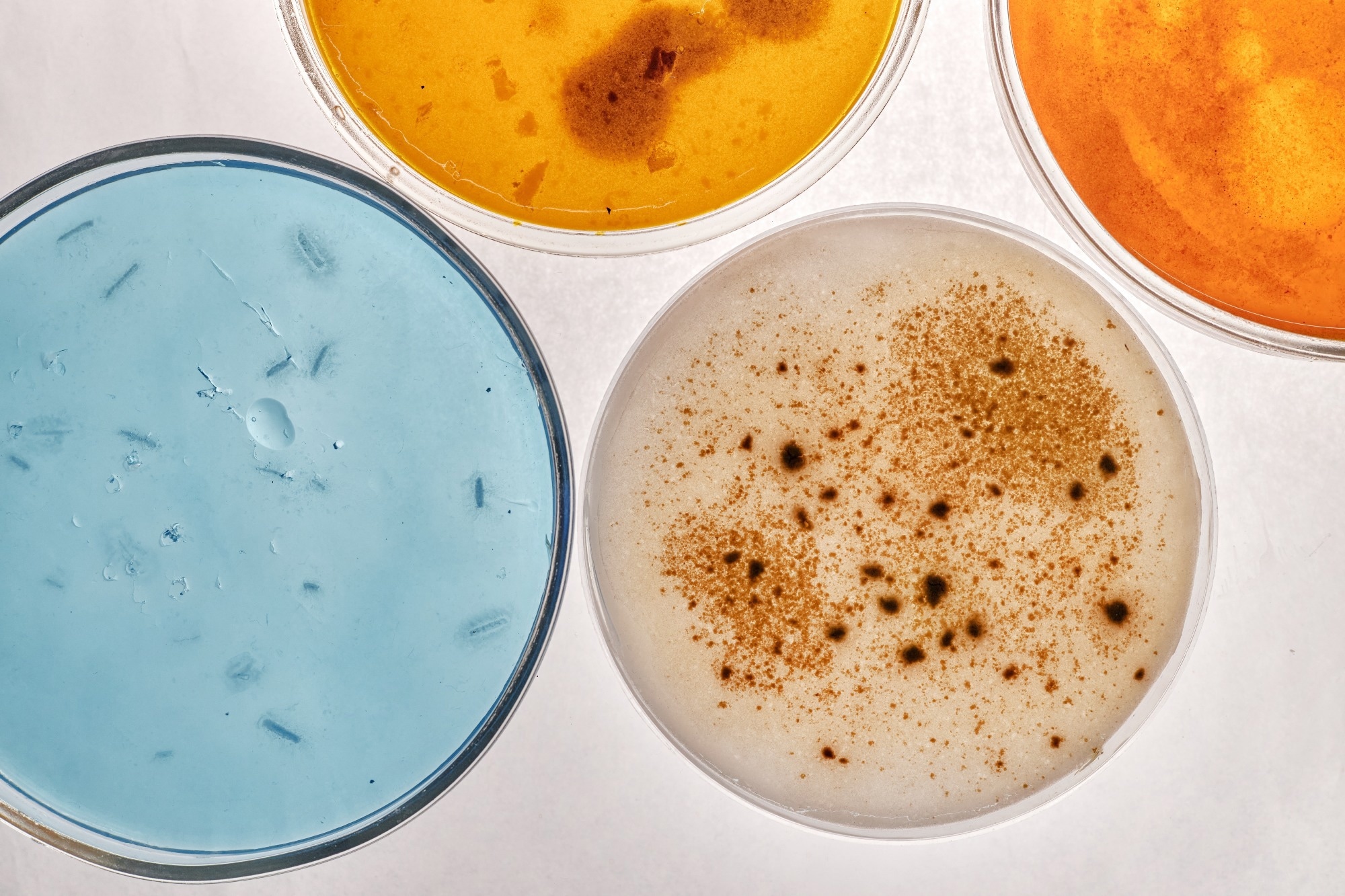
Image Credit: SeventyFour/Shutterstock.com
However, researchers in northern Ontario are now looking at this discarded material as a valuable resource, using bacteria to extract important minerals from mine tailings that older processing methods left untouched.
Turning Mine Waste Into a Critical Mineral Resource
Researchers in Sudbury, Ontario are working to scale up bacteria-powered technology to recover valuable metals from old mining waste in the pilot facility developed by MIRARCO Mining Innovation.
Sudbury's tailings are estimated to contain around $8–10 billion worth of nickel, a remnant of over a century of mining and smelting in the area. Companies have often left this valuable material behind, as transporting old tailings back to a smelter is more costly than the value of the recovered metal.1
Addressing this issue, bioleaching processes the waste on site.
The opportunity extends well beyond one mining basin in Ontario. Nickel recovered from pyrrhotite tailings across Canada could be worth about $26 billion, and the same processing route could cut mining waste generation by more than 75%. Governments view this domestic supply as a way to mitigate dependence on a limited number of foreign producers.2
How Microbes Unlock Metals
The underlying chemistry involves the interaction of iron and sulfur. Certain bacteria oxidize dissolved ferrous iron (Fe2+) to ferric iron (Fe3+), which then attacks metal sulfide (S²-) minerals, releasing metal ions into the surrounding solution.
In acidic conditions, sulfide dissolution is 100 to 1000 times faster when ferric iron is present than with dissolved oxygen alone. Therefore, this single oxidation step significantly impacts the entire process.3
Sulfur-oxidizing bacteria contribute in another important way. As they metabolize the various sulfur intermediates released from freshly broken minerals, they generate sulfuric acid.
This acid maintains the leach solution at a low pH, aiding in the dissolution of metals that would otherwise remain trapped within the rock due to iron chemistry alone. Additionally, other microbes adhere to mineral surfaces and oxidize sulfides through direct contact, assisted by their sticky extracellular layers.3
Several bacterial species consistently appear in published trials. Acidithiobacillus ferrooxidans, Acidithiobacillus thiooxidans, Leptospirillum ferriphilum, and Sulfobacillus thermosulfidooxidans are commonly identified, often in mixed cultures derived from acid mine drainage.3
Scaling Bioleaching From the Lab to the Mine
MIRARCO Mining Innovation, a research group affiliated with Laurentian University, opened a pilot facility in Sudbury this year after several years of preparation. Tailings are ground, mixed with a nutrient solution that feeds the bacteria, and then inoculated. These bacteria help dissolve metals from minerals, which then move into solution. The slurry is pumped through a series of reactors before it is collected.1
The challenge is to keep everything running smoothly. In a lab, it’s easy to manage small amounts of material, but a real plant needs a constant flow of material. The team is creating a continuous system in which fresh feed enters at one end, and the slurry moves between tanks, primarily by gravity. In the pilot facility, they have achieved a nickel recovery rate of about 98–99% of the metal processed.1
Recovering Nickel from Engineered Microbes
Pyrrhotite is the specific target for much of the Ontario work. This iron sulfide carries nickel that conventional flotation rejects, and it has accumulated in enormous volumes across the Sudbury basin.
An Ontario Genomics project with the equipment supplier Metso Outotec applies genomic tools to characterize and then engineer the microbial populations best suited to treating these particular waste streams.2
Selectivity carries weight because tailings are chemically complex. Traditionally, commercial bioleaching has concentrated on gold and copper, where high metal prices absorb the limitations of slow reaction rates.
Adapting the method for nickel and cobalt requires robust organisms that can efficiently release the desired metals while tracking changes in microbial communities. This process is further supported by monitoring tools that track community composition throughout the operation.2
Expanding Bioleaching to Rare Earths and Lithium
Rare-earth elements are present in tailings at concentrations sufficient to justify extraction. For example, cerium can reach 2047 mg/kg, while both neodymium and lanthanum can reach about 900 mg/kg in one particular deposit.3 Researchers have found that certain fungi and bacteria, such as Aspergillus niger and Gluconobacter oxydans, can dissolve these elements from phosphate and monazite hosts by secreting organic acids, a process that can take days to weeks.4
In Ontario, the researchers are applying a similar biological approach to lithium extraction, which normally requires high temperatures and pressure.
They are now testing a range of organic acids and targeted biomolecules against spodumene, a lithium-bearing mineral common near Sudbury, and against the iron oxides and silicates that host dysprosium and neodymium, two elements used in permanent magnets for electric vehicles and wind turbines.1
Cleaning Up What Remains
One key concern surrounding tailings ponds is their potential to contaminate water sources.
The stored material generates acid and releases metals that slowly seep into the surrounding surface water and groundwater. It is imperative that this saturated mass remains behind a dam; in British Columbia in 2014, a dam failure sent toxic waste into nearby lakes and streams, demonstrating the potential dangers when such is not properly implemented.1
Bioleaching addresses this potential liability by consuming the sulfides that drive acid generation and stripping out the metals that would otherwise leach into groundwater for decades. Research suggests that the residue left after processing is free of toxic materials and suitable for use as construction aggregate or underground backfill, thereby steadily reducing the volume requiring permanent containment.1
From Pilot Plants to Commercial Scale
The existing literature identifies a consistent set of challenges. Leaching rates depend on pulp density, solution pH, oxygen supply, nutrient availability, and reactor temperature, which is usually held between 30 and 45 °C. As part of this, each waste stream requires individualized optimization to achieve the best results.3
Furthermore, high metal concentrations can also inhibit microbial activity, while the economics of processing low-grade materials remain an important consideration.
In light of these economic challenges, researchers have proposed recirculating leaching media to reduce liquid waste and using lower-cost sulfur sources.5
Downstream processing also influences commercial viability. Therefore, the Sudbury team is converting recovered material into saleable products, including iron compounds well-suited to municipal water treatment.1
Despite these challenges, bioleaching could prove to be a lower-energy route to recover valuable metals from discarded material. If the pilot-scale results can be successfully scaled up, the technology could simultaneously expand critical-mineral supply, recover value from waste materials, and reduce mining’s long-term environmental burden.
References and Further Reading
- Greco, F. (2026). How northern Ontario researchers are using bacteria-powered tech to extract critical minerals from mine waste. [Online] CBC News. Available at: https://www.cbc.ca/news/canada/sudbury/mine-waste-critical-minerals-sudbury-mining-innovation-9.7149655.
- Developing Novel Bioleaching Process for Ni Recovery from Pyrrhotite Streams. (2023). [Online] Ontario Genomics. Available at: https://www.ontariogenomics.ca/awarded-project/developing-novel-bioleaching-process-for-ni-recovery-from-pyrrhotite-streams/.
- Abraham, A. P., and Schopf, S. (2026). Bioleaching as a biotechnological tool for metal recovery: From sewage to space mining. Frontiers in Bioengineering and Biotechnology. 13. DOI:10.3389/fbioe.2025.1712157. https://www.frontiersin.org/journals/bioengineering-and-biotechnology/articles/10.3389/fbioe.2025.1712157/full.
- Vítová, M., & Mezricky, D. (2024). Microbial recovery of rare earth elements from various waste sources: A mini review with emphasis on microalgae. World Journal of Microbiology & Biotechnology. 40(6). DOI:10.1007/s11274-024-03974-4. https://link.springer.com/article/10.1007/s11274-024-03974-4.
- Castro, L. et al. (2024). Editorial: Bioleaching and biorecovery of critical raw materials from secondary sources. Frontiers in Microbiology. 15. DOI:10.3389/fmicb.2024.1395820. https://www.frontiersin.org/journals/microbiology/articles/10.3389/fmicb.2024.1395820/full.
Disclaimer: The views expressed here are those of the author expressed in their private capacity and do not necessarily represent the views of AZoM.com Limited T/A AZoNetwork the owner and operator of this website. This disclaimer forms part of the Terms and conditions of use of this website.