A seismic transformation is happening in mining exploration. The search for resources has evolved beyond merely locating high-grade deposits; companies must now identify the appropriate materials for the rapidly growing battery market.
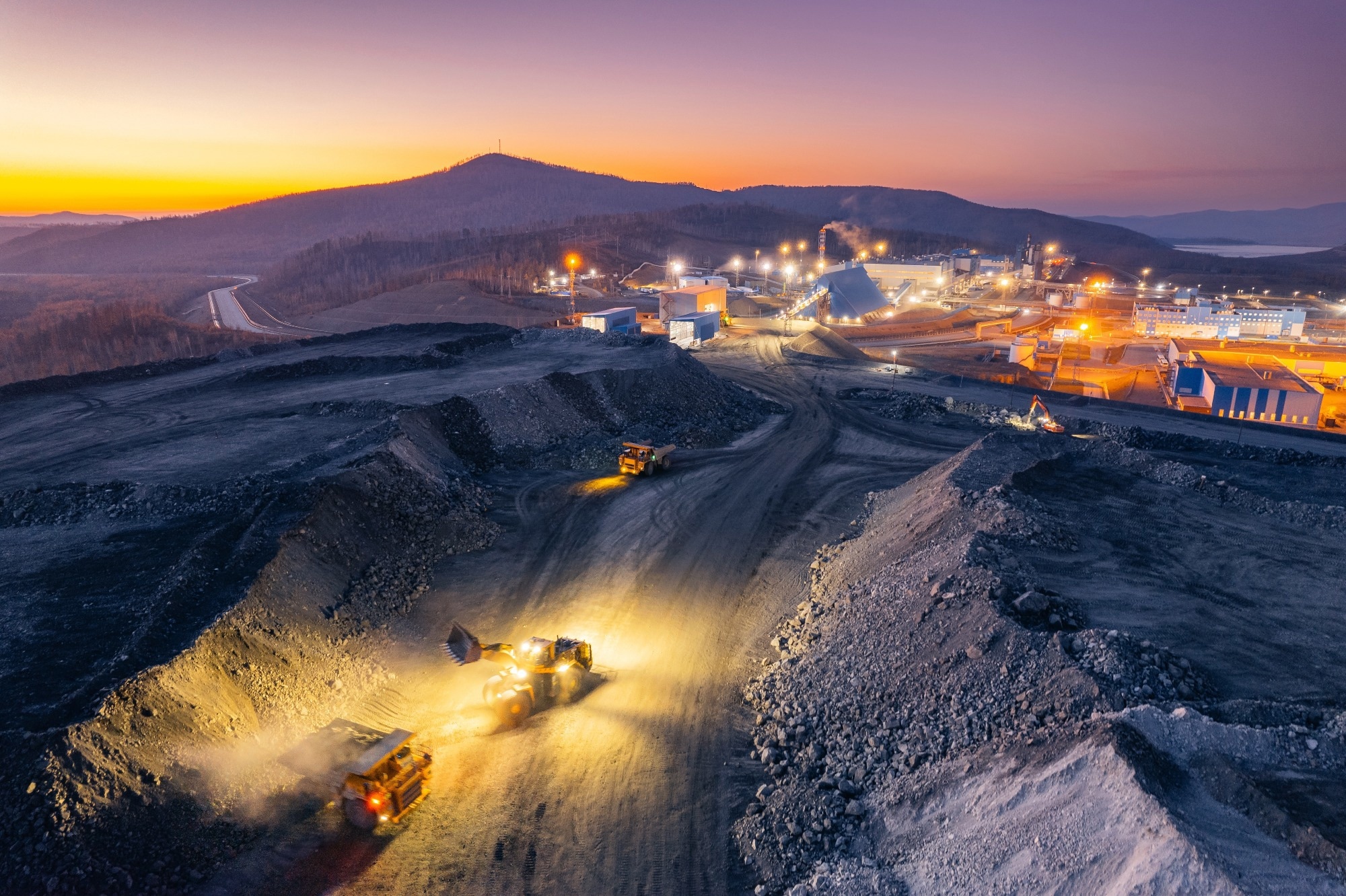
Image Credit: Parilov/Shutterstock.com
This shift has been brought about by the increasing demand for lithium, nickel, cobalt, graphite, and rare earth elements, all of which are essential for renewable energy storage, electric vehicles (EVs), and consumer electronics.
As battery-driven industries expand, mining exploration is progressing toward new frontiers, integrating advanced technologies and adhering to firmer sustainability standards.
Mining companies must reevaluate their exploration, extraction, and supply chain integration strategies to stay competitive in a landscape that increasingly prioritizes cleaner energy and responsible resource management.
To thrive in this evolving environment, mining firms must implement strategies that align with global trends in energy transition, technological innovation, and regulatory compliance.
Shifting Focus: From Bulk Commodities to Battery Metals
There is a change happening in mining priorities, too. For decades, companies concentrated on bulk commodities such as iron ore, coal, and gold, which powered industrial growth. Today, the emergence of EVs and renewable energy technologies has created an urgent demand for battery-grade metals.
Nickel, lithium, graphite, and cobalt are now focal points of mining exploration efforts. Globally, governments are investing in initiatives to secure access to these vital resources.
The EU’s Critical Raw Materials Act and the U.S. Inflation Reduction Act are channeling funding into domestic mining, refining, and battery production, reducing dependence on China, which currently holds the top spot in global mineral processing.
In addition to identifying resources, exploration teams must evaluate whether deposits are suitable for the manufacturing of batteries.
For instance, lithium exists in two primary forms: hard rock deposits and underground brine reservoirs. Hard rock lithium, usually extracted from spodumene ore, requires energy-intensive mining and processing.
Brine lithium is harvested using evaporation ponds or direct lithium extraction (DLE) techniques. Each deposit type needs different extraction methods and presents distinct environmental considerations, complicating the exploration phase.
AI, Automation, and Smarter Exploration
Technological progress is transforming the exploration of battery metals, decreasing costs and enhancing accuracy. Artificial intelligence (AI) and automation are transforming decision-making processes in mining exploration, allowing geologists to identify potential resources far more effectively.
Key innovations in this field include:
- AI-Driven Geological Modeling – Processing huge amounts of data to identify mineral-rich zones.
- Remote Sensing and Satellite Imaging – Allowing for the detection of underground deposits without the need for invasive drilling.
- Drones and Autonomous Drilling Rigs – Enhancing precision and safety in mining exploration efforts.
Traditional fieldwork and geological mapping are no longer the exclusive means of discovery. The integration of machine learning, AI, and real-time data analytics facilitates faster, smarter, and more cost-effective decision-making. Companies adopting these technologies are likely to gain a substantial competitive advantage.
Geopolitical and Supply Chain Realignments
Global supply chain weaknesses are prompting companies and governments to reassess their sourcing strategies. China currently has the majority of global nickel, lithium, and rare earth refining capacity, and this monopoly poses concerns about supply security.
In response, some Western nations are implementing policies that incentivize domestic mining and refining projects. The U.S. and Canada are increasing lithium exploration, while the EU is funding initiatives to secure access to battery-grade materials.
Automakers are also adapting their strategies. Companies such as Ford, Tesla, and Volkswagen are establishing direct agreements with mining firms to stabilize pricing and supply. This direct integration signifies that mining exploration has evolved beyond merely locating deposits.
Sustainability and ESG Compliance in Exploration
Mining companies are increasingly pressured to align with environmental, social, and governance (ESG) principles. Regulators, investors, and the public demand responsible resource extraction, and failure to meet these expectations often leads to investment losses and regulatory challenges.
As a result, many mining firms are adopting:
- Direct Lithium Extraction (DLE) – Significantly reduces water waste compared to traditional extraction techniques.
- Renewable Energy Sources – Supporting exploration and extraction sites in minimizing carbon footprints.
- Ethical Sourcing and Indigenous Partnerships – Now essential for project approvals and maintaining long-term social licenses to operate.
Balancing economic viability with environmental responsibility is not an option: it’s a requirement. Future mining projects must incorporate innovative extraction techniques and cleaner processing methods to ensure long-term sustainability.
Navigating the Future of Mining Exploration
Mining exploration must adapt to evolving technological advancements, industry demands, and sustainability expectations. As battery metal supply chains become more complex, companies must refine their exploration strategies to maintain competitiveness. Success in the mine-to-battery transition will require:
- Targeted Exploration – Identifying deposits with suitable chemical properties for battery-grade refining.
- Advanced Technology – Using automation, AI, and real-time data for efficient discovery.
- Industry Collaboration – Strengthening partnerships with manufacturers, governments, and investors.
- Sustainable Practices – Ensuring ESG compliance and responsible resource extraction.
By integrating these strategies, mining companies can secure their role in the battery-driven economy.
Supporting Mining Exploration with XRF Scientific
Mining exploration is adapting to meet the demands of the battery industry. Accurate mineral analysis is critical for assessing the feasibility of potential deposits.
Without precise data, mining exploration teams risk investing in resources that cannot satisfy industry requirements for battery metal refining.
XRF Scientific provides advanced sample preparation solutions that assist mining companies in accurately assessing elemental composition. Their fusion and laboratory equipment guarantee reliable analysis, enabling the identification of high-quality deposits for extraction and refinement.

This information has been sourced, reviewed, and adapted from materials provided by XRF Scientific.
For more information on this source, please visit XRF Scientific.