In a new study published in npj Microgravity, scientists have shown that microbes can extract valuable metals from asteroid material in space - right aboard the International Space Station. The experiment suggests that future astronauts could one day use microorganisms to mine essential elements directly from space rocks, cutting down on costly resupply missions from Earth and moving us closer to truly self-sufficient space habitats.
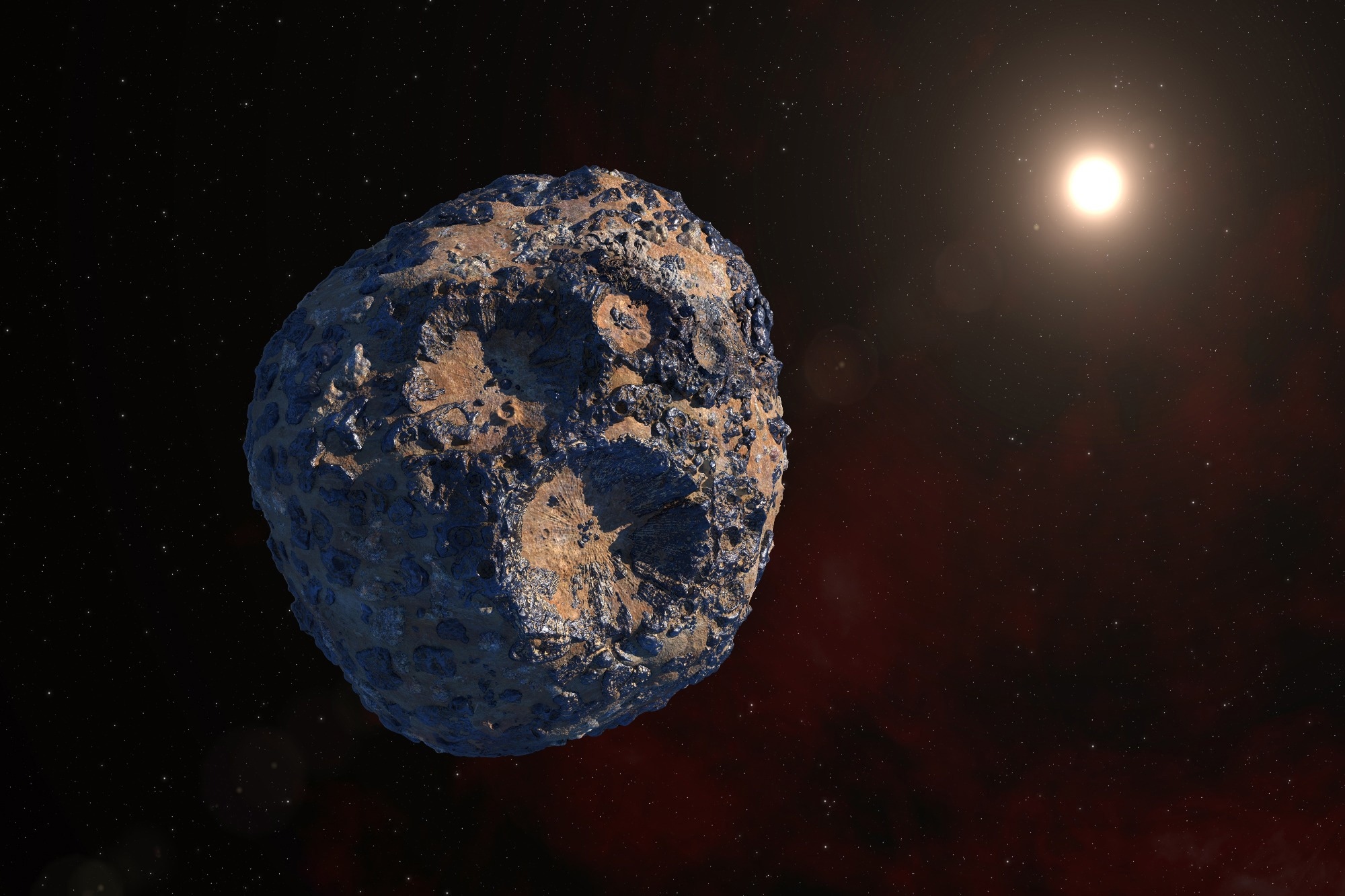
Image Credit: buradaki/Shutterstock.com
Why Asteroid Mining in Space Matters
As human space exploration expands, so does the need for smarter, more sustainable resource strategies. Launching materials from Earth is expensive and logistically complex. That’s why scientists are investing in in-situ resource utilization (ISRU) - the idea of using materials already available in space to support life and manufacturing.
One promising approach is microbial biomining, a process where microorganisms break down rocks and release metals. On Earth, biomining is already used in parts of the mining industry. The big question? Can it work in microgravity?
This study set out to test exactly that.
Inside the BioAsteroid Experiment on the ISS
The BioAsteroid experiment focused on two microorganisms known for their bioleaching abilities on Earth:
- Sphingomonas desiccabilis (a bacterium)
- Penicillium simplicissimum (a fungus)
Both had previously been studied in spaceflight conditions. Researchers used crushed samples of the Northwest Africa 869 meteorite - an L3-6 chondrite regolith breccia - and exposed them to the microbes in sealed 5-milliliter containers aboard the ISS. Identical control experiments were run on Earth under normal gravity.
The setup included:
- Individual microbial cultures
- A combined microbial consortium
- Abiotic (non-biological) controls
After incubation, researchers measured the release of 44 elements using inductively coupled plasma mass spectrometry (ICP-MS). They also used scanning electron microscopy (SEM) to examine how microbes attached to rock surfaces and conducted metabolomic profiling to analyze chemical byproducts in the growth medium.
Platinum, Palladium, and Ruthenium: Space Fungi Outperform
The standout performer was the fungus Penicillium simplicissimum.
Under microgravity, it significantly enhanced the extraction of platinum-group elements (PGEs), including:
- Palladium – Increased 5.5-fold compared to non-biological controls, reaching 549.3±234.4% relative bioleaching efficiency
- Ruthenium – Moderate enhancement
- Platinum – Moderate enhancement
- Phosphorus – Also increased, a key element for both industry and life-support systems
In contrast, Sphingomonas desiccabilis generally performed at or below abiotic control levels for most PGEs. Researchers suggest that its biofilm-forming patterns may limit metal release.
The microbial consortium (both organisms combined) did exceed abiotic controls for PGEs and phosphorus, but results were highly variable. This variability hints at possible competition or antagonistic interactions between the species.
How Microgravity Changes Metal Extraction
Microgravity didn’t just affect the microbes - it also changed how the rocks behaved on their own. Abiotic leaching of 11 elements differed in space compared to Earth. Nine elements, including platinum, showed increased solubilization under microgravity conditions, while palladium leaching dropped sharply by a factor of 13.6.
These differences are likely linked to altered fluid dynamics in space. With reduced convection in microgravity, dissolved elements accumulate differently at mineral surfaces, influencing saturation levels and overall leaching efficiency. In other words, even without biology involved, space changes the chemistry.
When microbes entered the equation, the picture became more nuanced. The fungal bioleaching performance remained relatively stable across gravity conditions, suggesting a level of resilience to environmental change. The bacterium, meanwhile, showed improved extraction in microgravity compared to Earth conditions, though it still remained less efficient overall. Together, these findings reinforce an important point: successful biomining in space will depend heavily on selecting the right microbial species and optimizing growth conditions specifically for microgravity environments.
Microbes Behave Differently in Space
Metabolomic analysis revealed that microgravity significantly reshaped microbial metabolic profiles, particularly for the fungus. Under space conditions, researchers detected increased production of specific carboxylic acids, siderophore-associated molecules involved in metal binding, and compounds with potential pharmaceutical or bioplastic relevance.
Interestingly, classic bioleaching acids, such as citric and oxalic acids, were not detected. This suggests that alternative biochemical pathways may be driving metal solubilization in space, pointing to mechanisms distinct from those typically observed in terrestrial mining processes.
In contrast, the metabolome under Earth gravity appeared more diverse, potentially reflecting greater environmental complexity or broader microbial adaptability. These metabolic shifts are more than subtle biochemical variations - they may directly influence biomining efficiency and determine how well these systems perform during long-duration space missions.
First-Ever Images of Fungi Mining Space Rocks
Scanning electron microscopy confirmed that both microbes actively colonized meteorite surfaces in space and on Earth. The organisms showed strong attachment to silicate minerals rich in magnesium, oxygen, and silicon, while demonstrating limited association with sulfide minerals containing iron or sulfur. This pattern may reflect elemental preferences or avoidance of potentially toxic substrates.
Importantly, no major morphological differences were observed between gravity conditions, indicating that the microbes maintained structural integrity in space. These images represent the first direct visualization of metabolically active fungal mycelium and bacterial biofilms interacting with extraterrestrial material during spaceflight.
Beyond biomining, this discovery carries broader implications for nutrient cycling and biogeochemical processes in future space habitats, where microorganisms could play an essential role in sustaining life-support systems and material recycling.
What This Means for the Future of Space Exploration
This study demonstrates that microbial bioleaching of asteroid-derived material is feasible in microgravity. More importantly, it identifies Penicillium simplicissimum as a particularly effective agent for extracting platinum-group elements in space.
The results underscore the complex relationship between gravity, microbial metabolism, mineral composition, and extraction efficiency. Successful biomining beyond Earth won’t be one-size-fits-all - it will require careful organism selection and process design tailored to space conditions.
Still, this research represents an important step toward integrating biological mining systems into life support and manufacturing infrastructure for long-duration missions. If future astronauts can harvest essential elements directly from asteroids, space habitats could become significantly more self-sufficient.
Journal Reference
Santomartino R., Rodriguez Blanco G., et al. (2026). Microbial biomining from asteroidal material onboard the international space station. npj Microgravity. DOI: 10.1038/s41526-026-00567-3, https://www.nature.com/articles/s41526-026-00567-3