The mining industry has historically been defined by high-risk environments, where the proximity of personnel to heavy machinery and volatile geological conditions creates a constant threat of injury or fatality. However, the sector is undergoing a shift as the Mining Equipment, Technology, and Services (METS) sector focuses on engineering out hazards. Several companies are significantly reducing workplace accident frequency and extending these life-saving innovations to humanitarian efforts by prioritizing the development of non-toxic mineral analysis, precise emergency drilling, and advanced explosive detection. Let’s take a closer look.
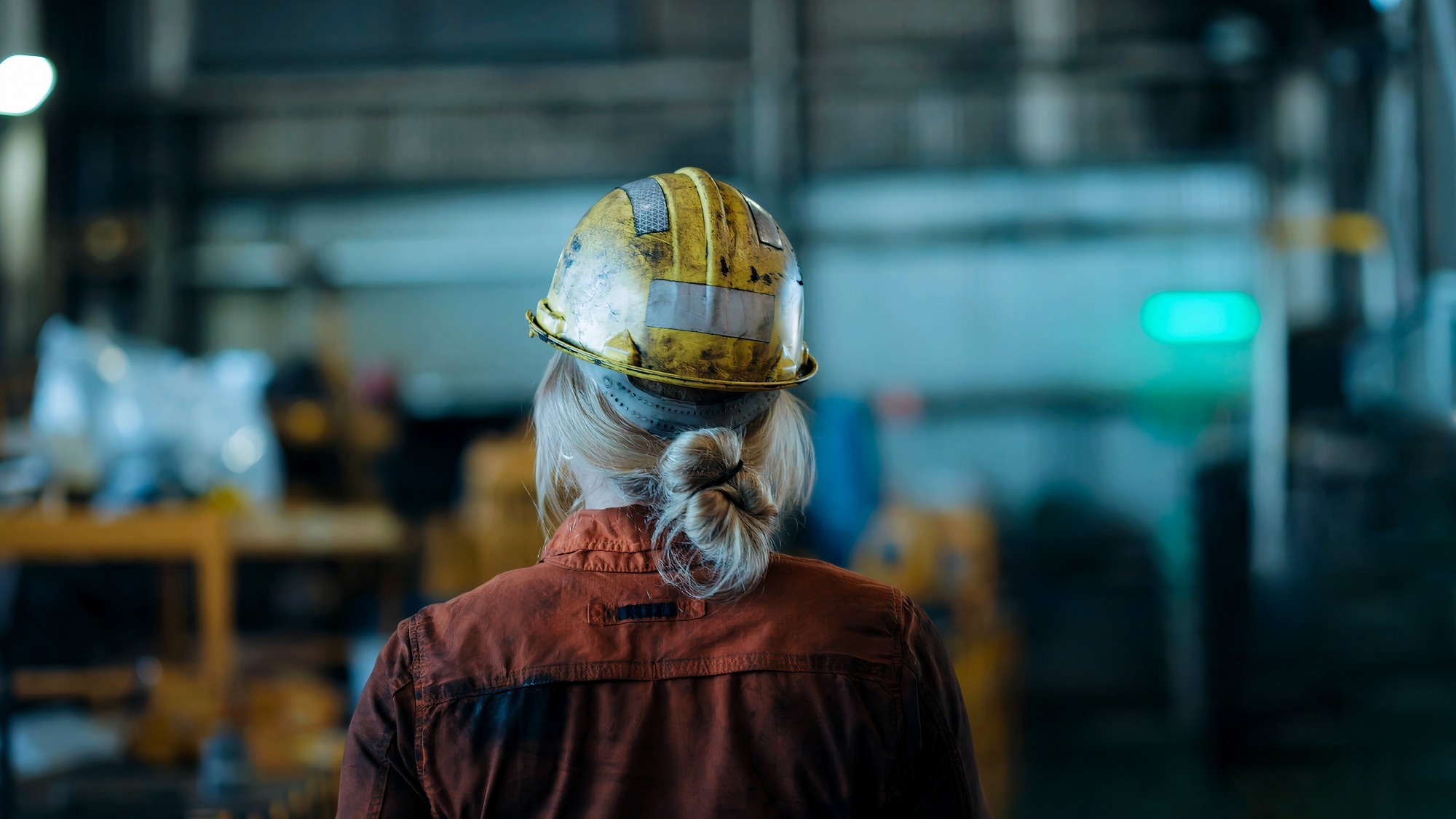
Image Credit: WILLIAM LUQUE/Shutterstock.com
Chrysos Corporation: Eliminating Toxins in the Laboratory
One of the most significant life-saving advancements in mining history is the transition away from the "fire assay" method for mineral analysis. For centuries, fire assay has been the industry standard for measuring precious metals. However, the process is inherently hazardous, requiring laboratory technicians to work with lead flux, acids, and extremely high temperatures. The risk of lead poisoning, a chronic condition that can lead to neurological damage, kidney failure, and cardiovascular issues, is a constant threat to those in traditional mining labs, where dust and fumes from the furnace can be inhaled or absorbed.1
Chrysos Corporation (ASX:C79) has addressed this risk through its PhotonAssay technology. Instead of using chemical reagents and intense heat to melt samples, PhotonAssay utilizes high-energy X-rays to activate gold and other elements. This method is non-destructive and, crucially, removes the human element from contact with dangerous substances. The company has effectively engineered out the primary causes of laboratory-related morbidity in the mining sector by automating the process and using physics rather than chemistry.
The removal of lead from the testing cycle has immediate health implications for staff. As noted by Chrysos Managing Director Dirk Treasure: “The most important benefit… is on operators… Lead contamination is a big problem in fire assay laboratories around the world… Customers completely remove that as a concern by transitioning to PhotonAssay and I’m proud to say that we are keeping operators safer with our technology”.1
Beyond immediate lead exposure prevention, the technology improves the working environment by eliminating the extreme heat associated with traditional assay furnaces. In a conventional setting, the management of lead contamination is a significant operational burden that requires constant blood monitoring for staff. By removing the toxin at the source, Chrysos ensures that the long-term health of laboratory operators is not compromised for the sake of geological data.1,2
MagnaTerra and MRead: Molecular Detection for Explosive Safety
MRead, a technology incorporated into MagnaTerra, has developed a specialized handheld sensor that utilizes Magnetic Resonance (MR) to identify nitrogen-based explosives. In a mining context, this allows for the safe identification and handling of bulk explosives used in blasting operations. This ensures that unexploded charges or "misfires" are identified before they pose a risk to excavation teams or heavy machinery operators.
The life-saving potential of this technology extends far beyond the mine site into humanitarian demining. Detecting landmines and improvised explosive devices (IEDs) is a slow and lethal task for personnel in post-conflict zones. Traditional metal detectors often struggle with "clutter", metallic fragments such as nails, shrapnel, or mineralized soil, that lead to false positives. These false alarms slow down the clearing process and increase the operator's risk window, forcing them to treat every signal as a potential threat.
The MR technology used by MagnaTerra is "molecule-specific." This means the device can distinguish between a harmless piece of metal and the unique chemical signature of actual explosives.1 This specificity reduces the risk of accidental detonation during clearance operations because it allows operators to prioritize real threats with higher confidence.
The technology protects the lives of demining teams and the civilians who eventually return to those lands by providing a technical solution that can "see" through soil and identify the specific molecular makeup of a threat.3 The ability to accurately identify nitrogen compounds at the molecular level represents a shift from simple metal detection to intelligent hazard identification.
IMDEX: Precision Drilling as a Rescue Lifeline
Although many METS innovations focus on daily safety, some are defined by their performance in extreme emergencies. IMDEX (ASX:IMD) has developed the DeviDrill, a wireline directional core-drilling system that enables the creation of multiple branch holes from a single "mother hole." Though this is primarily used for efficient resource mapping, its precision has proven vital in catastrophic underground failures.
The most prominent example of this technology’s impact occurred during the 2010 Copiapó mining accident in Chile. When 33 miners were trapped 700 meters underground following a massive cave-in, the primary challenge was reaching a small refuge chamber with absolute precision. Standard vertical drilling is prone to "drift," where the drill bit deviates from its intended path over long distances due to varying rock hardness or geological pressure. A miss of even a few meters at that depth would have meant failing to reach the miners in time.
Technologies such as IMDEX’s DeviDrill directional drilling system have been credited with enabling the precision needed to steer the drill bit and maintain an accurate trajectory to reach the trapped men.1 This accuracy allowed the rescue team to establish a "plan B" hole that successfully breached the refuge.
Click here to download a free PDF copy of this page
Once the hole was established, it served as a conduit for communication, medical supplies, and eventually the extraction capsule itself. The case study of the Chilean rescue remains a benchmark for how directional drilling can be repurposed from a geological tool into an emergency intervention system.4 The probability of reaching the trapped workers would have been significantly lower without the ability to correct the drill path in real-time.
Conclusion
The integration of these technologies represents a shift from traditional safety slogans toward a "safety by design" engineering reality. Companies like Chrysos Corporation are utilizing X-ray physics to identify risks before they manifest as chronic illnesses, while firms like MagnaTerra and IMDEX are improving physical safety through molecular detection and high-precision mechanical engineering.
The METS sector is fundamentally changing the risk profile of the mining industry by removing workers from toxic environments, providing tools to safely clear explosive hazards, and offering precise solutions for underground rescues. As these technologies become more accessible, the industry moves closer to the goal of zero harm, ensuring that miners and the communities surrounding them are protected by the best available science.
References and Further Reading
- Stockhead (2026) Mining METS leaders add golden touch to clean tech and life-saving innovations. [Online] Available at: https://stockhead.com.au/tech/mining-mets-leaders-add-golden-touch-to-clean-tech-and-life-saving-innovations/
- Chrysos Corporation (2024) The Benefits of PhotonAssay: Safety, Speed, and Accuracy. [Online] Available at: https://chrysoscorp.com/photonassay/
- MagnaTerra (2023) MRead: Revolutionising Explosive Detection with Magnetic Resonance. [Online] Available at: https://magnaterra.com.au/technology/
- MDEX Limited (2023) Directional Drilling in Critical Applications: The San Jose Mine Rescue. [Online] Available at: https://www.imdexlimited.com/case-studies/chilean-mine-rescue
Disclaimer: The views expressed here are those of the author expressed in their private capacity and do not necessarily represent the views of AZoM.com Limited T/A AZoNetwork the owner and operator of this website. This disclaimer forms part of the Terms and conditions of use of this website.