The push for decarbonization, along with the development of sustainable heating and cooling systems, has shifted the attention of governments and experts worldwide toward historically flooded mines. The heat trapped in underground mine water can be used to heat homes and commercial buildings, and the United Kingdom is investing heavily in mine-water heat schemes to significantly reduce energy consumption.
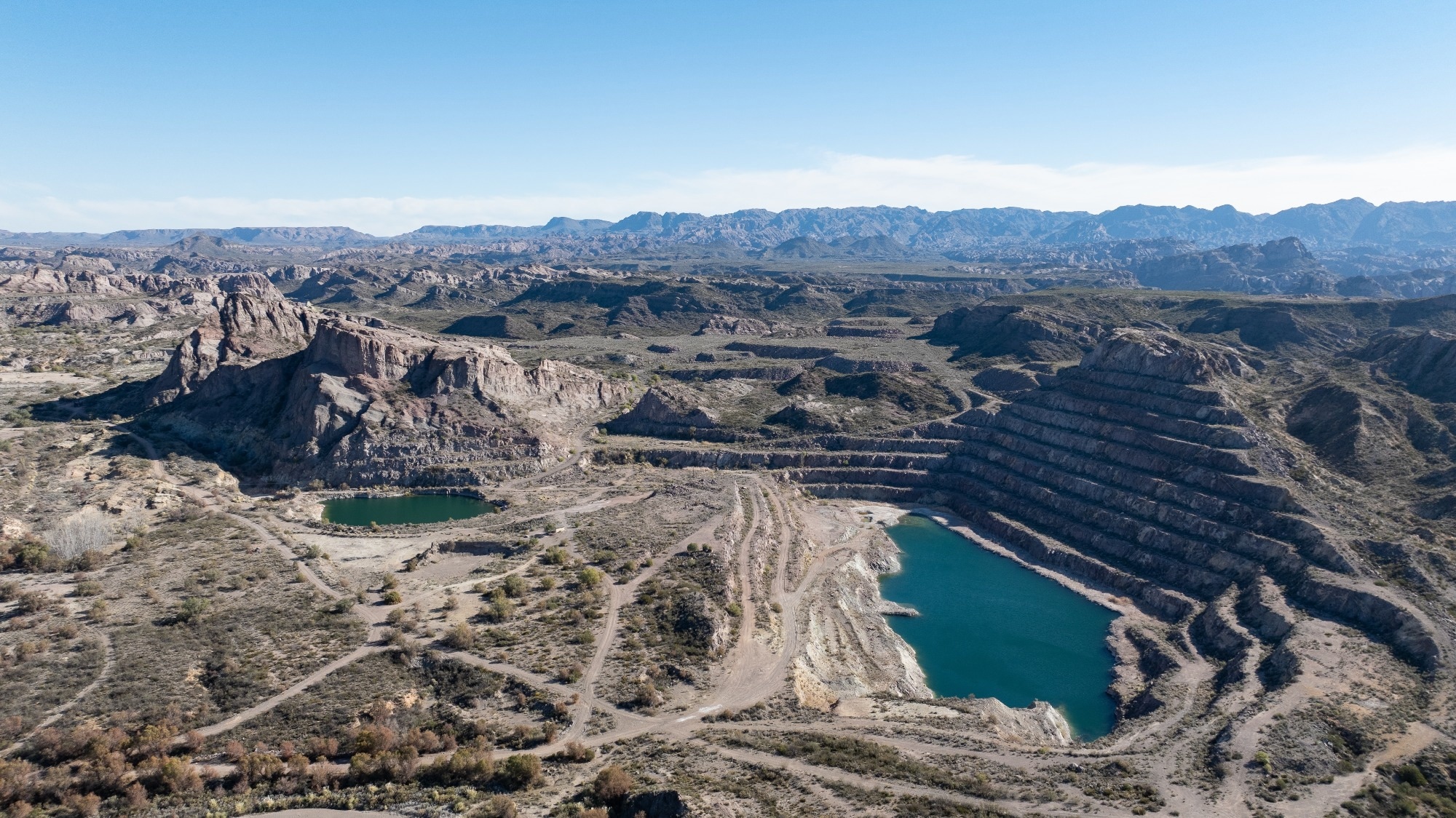
Image Credit: Sobrevolando Patagonia/Shutterstock.com
What is the Mine Water Heat Scheme?
Mine water heating technology has been in operation since the 1980s, with various types of mine-water geothermal energy (MWGE) systems that use different technologies to extract heat from water in abandoned mines.
Mine water is heated by natural processes, and seasonal temperature fluctuations do not readily affect the amount of heat trapped within the abandoned mines. The mine water heating technology extracts the trapped heat in flooded, disused mines and, through specialized equipment, delivers it to communities and business units as low-carbon heat.
Mine-water with a carbon-neutral, sustainable heat supply, coupled with modern heat pump technology, is the perfect low-enthalpy space-heating source for modern, retrofitted residential units. Mine-water temperatures remain stable throughout the year, making it a suitable and safe source of constant energy.1
Key Features of Mine Water Heating Technology
The water in abandoned mines follows the typical geothermal gradient, with temperature increasing with depth. At a depth of around 1 km, the water temperature has been recorded to be around 40 °C.
A typical mine water heating system involves transferring heat from the inactive mining site to a secondary specialized heat transfer system, typically using a plate or shell-and-tube heat exchanger. The specialized secondary heat transfer units are integrated with heat pumps, boosting the extraction of heat, and stabilizing the geothermal energy to be delivered to the consumer at usable and stable temperatures, like 50 °C to 60 °C.
The heat pumps can be centralized at a single location or distributed at viable secondary energy centers. The use of a heat exchanger with the heat pump is critical to prevent corrosion from direct contact between the mine water and the heat pump components.2
Want to save for later? Click here.
Types of Mine-Water Geothermal Energy Extraction Systems
Experts analyze physical and chemical parameters to determine the optimal mode of heat extraction during the planning and installation of an MWGE system. The mine water heat extraction technology may be an open system or a closed system to ensure maximum heat delivery to the consumer.
Open System Heat Extraction
In open system MWGE, mine water is brought to the surface using specialized pumping systems or gravity drainage. It involves a groundwater-sourced heat pump system and a shell-and-tube or plate heat exchanger.
Open system MWGE includes one with reinjection technology, ensuring conservation of water resources and regulation of reservoir pressure. An open-system MWGE with a discharge mechanism is also a popular choice, as the thermally spent mine water is expelled near the ocean surface. However, this technology mines water after heat extraction and actively or passively treats it to ensure the quality of the mine water is compatible with local water bodies.3
Closed Loop Systems
In a closed-loop MWGE system, a secondary heat transfer fluid circulates through heat exchanger pipes submerged in mine water, absorbing available heat without extracting mine water to the surface. While closed-loop systems require considerably fewer environmental permits, the heat extraction and delivery are much more restricted than the open-loop MWGE systems.
Current Status and Projects in the United Kingdom
Gateshead Mine Water Heat Scheme: Revolutionizing the Mine Water Heat Technology
The open-access Living Laboratory in Gateshead was launched in early 2025 to monitor the interactions among three operational mine water heat schemes in the Northern part of England. The heat scheme is the source of extremely rare data, which is being published for researchers worldwide to access.
The Heat Network Investment Project (HNIP) and Gateshead Council collaborated to complete the Gateshead Mine Water Heat Project in around four years. The Gateshead network is the largest MWGE network in Great Britain, using a 6-Megawatt (MW) heat pump to extract and distribute heat via a 5-km pipe network. The project is powering around 350 council-owned homes, with an estimated annual CO2 saving of around 1800 tons.
The initiative is led by the Mining Remediation Authority, which has made thousands of hours of data from the Gateshead mine water heat network available, providing energy to more than 350 homes and businesses.
The data is collected from the Gateshead system every 15 minutes and published for the public. The data is attracting attention from top research groups and academic institutions, including a research group from the Lawrence Berkley National Laboratory, which is working directly for the University of California, under the umbrella of the US Department of Energy's Office of Science.4
Lindsay Mine Water Heat Scheme: Wales’s First Commercial Project
The government of Wales is working tirelessly to ensure the availability of low-carbon heating for homes. The Carmarthenshire County Council (CC) area was a mining hub in the 16th century, with abundant untapped heat from mine water.
In 2025, the Mining Remediation Authority, in collaboration with local business Thermal Earth Ltd., developed a treatment plant near Ammanford, processing 25 liters of mine water per second.
The project uses submerged heat exchangers in settlement ponds to extract heat from mine water without disturbing underground water levels. The use of mine water as a low-carbon heating source has led to an annual reduction in CO2 emissions of 17 tons.5
Durham County Mine Water Heating System Project to Power Over 750 Homes till 2035
A new community near Seaham, Durham County, will be powered by a mine water heat system that extracts heat from disused mines. This project will yield ecological benefits and protect the groundwater aquifer, which is the key source of drinking water for household communities.
Durham County Council and the Mining Remediation Authority, in collaboration with Karbon Homes, have entered into a partnership with Vital Energi to design, build, and operate a mine water heat system to provide affordable heating to over 750 homes.6
Challenges and Necessary Actions
Several key challenges act as a barrier to the success of mine water geothermal projects. From diverse stakeholders' perspectives, expectations are misaligned with project deliverables in many cases, particularly due to regulatory challenges, extensive, time-consuming licensing requirements, and insufficient financial resources.
Experts have also identified a major gap in risk management strategies, along with regulatory and policy challenges, which critically limit the scope of mine water heat schemes. The high capital costs, along with the lack of competitive bidders, are hindering the implementation of MWGE systems in flooded coalfield areas.
A multifaceted approach focused on financial incentives and security, risk management, skilled workforce development, and community collaboration is needed to resolve the financial, regulatory, and socio-economic challenges.7
The energy expenditure for heating buildings in the UK is around 38 %, with MWGE playing a key role in ensuring compliance with the Sustainable Development Goals (SDGs).8 The Mining Remediation Authority is focusing on making systems and processes secure and resilient, incorporating data-driven decision making, and developing governance frameworks with stakeholder engagement, ensuring a boost in the delivery, benefits, efficiency, and profits of MWGE in the future.9
References and Further Reading
- Walls, D. et al. (2021). A Review of the Performance of Minewater Heating and Cooling Systems. Energies. 14(19). 6215. Available at: https://doi.org/10.3390/en14196215
- Burnside, N. et al. (2016). Hydrochemistry and stable isotopes as tools for understanding the sustainability of minewater geothermal energy production from a ‘standing column’heat pump system: Markham Colliery, Bolsover, Derbyshire, UK. International Journal of Coal Geology, 165, 223-230. Available at: https://doi.org/10.1016/j.coal.2016.08.021
- Bailey, M. et al. (2016). Heat recovery potential of mine water treatment systems in Great Britain. International Journal of Coal Geology, 164, 77-84. Available at: https://doi.org/10.1016/j.coal.2016.03.007
- Lake, E. (2026). Town pioneers research into mine water heat technology. BBC. North East and Cumbria. [Online]. Available at: https://www.bbc.com/news/articles/c98jxn13n4no [Accessed on: February 08, 2026].
- Mining Remediation Authority, Government of UK. (2025). Landmark mine water heat scheme goes live in Wales. Mine water management: Press Release. Available at: https://www.gov.uk/government/news/landmark-mine-water-heat-scheme-goes-live-in-wales [Accessed on: February 09, 2026]
- Lake, E. (2025). Work begins on mine water heating system. BBC News. North East and Cumbria. [Online]. Available at: https://www.bbc.com/news/articles/cn9vyy7rnypo [Accessed on: February 09, 2026].
- Li, J. et al. (2025). Equity or profit? Understanding the social sustainability challenges of mine water heating network implementation. Energy Research & Social Science. 104062. 124. Available at: https://doi.org/10.1016/j.erss.2025.104062
- Mining Remediation Authority (2026). Mine Water Heat Opportunities Framework 2024 to 2027. [Online]. Available at: https://www.miningremediation.co.uk/mine-water-heat-opportunities-framework/ [Accessed on February 10, 2026].
- Mining Remediation Authority, Gov. of UK. (2026). Mine Water Heat: Fit for the Future. [Online]. Available at: https://plans.miningremediation.co.uk/business-plan/fftf-progress [Accessed on: February 10, 2026].
Disclaimer: The views expressed here are those of the author expressed in their private capacity and do not necessarily represent the views of AZoM.com Limited T/A AZoNetwork the owner and operator of this website. This disclaimer forms part of the Terms and conditions of use of this website.