Real-time microseismic data and a hybrid risk model offer new insights into preventing water inrush disasters in deep coal mining.
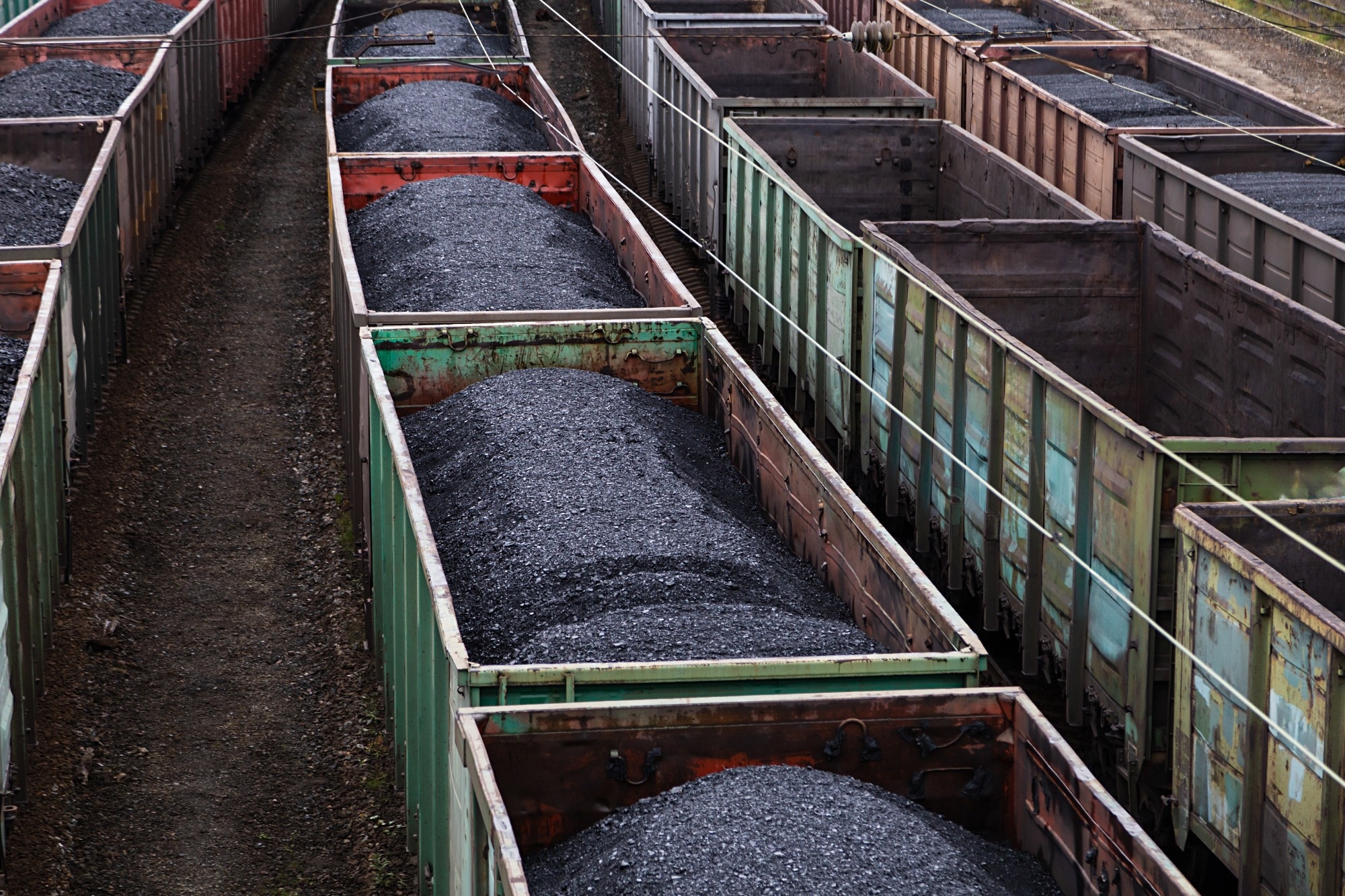
Image Credit: Fiordaliso/Shutterstock.com
A recent study published in Scientific Reports highlights how microseismic (MS) monitoring technology can provide real-time insights into floor failure processes in extra-thick coal seam mining - offering a more dynamic, data-driven method for evaluating water inrush risks in underground mines.
The Challenge of Extra-Thick Seam Mining
Mining extra-thick coal seams introduces major operational risks due to high ground stress and significant disturbances to floor strata. In areas like China’s Jin–Shan–Meng mining region, where Carboniferous–Permian coal seams lie above high-pressure Ordovician limestone aquifers, these floor disturbances can lead to serious water inrush incidents. Such disasters threaten miner safety and limit recoverable resources.
To reduce these risks, it’s crucial to understand how the floor behaves and fractures over time. While traditional approaches - such as theoretical modeling, simulations, and field measurements - have offered insights, they often lack the continuous, real-time data necessary to capture how conditions evolve during active mining.
This is where MS monitoring stands out. By capturing the microseismic signals of rock mass fracturing, this technology allows real-time analysis of subsurface stress changes. The current study goes a step further by integrating MS data into a quantitative risk model for floor water inrush, using a combined Analytic Hierarchy Process–Entropy Weight Method (AHP–EWM) to improve hazard assessment and decision-making.
Inside the Study: Monitoring Floor Activity with MS Technology
Researchers conducted the study in the 61607 working face of the Longwanggou Coal Mine, deploying the KJ551 underground MS monitoring system. High-sensitivity sensors were used to detect vibration signals, which were then filtered, localized, and visualized to analyze floor activity.
From April 1 to August 31, 2023, as the working face advanced 416.7 meters, the system captured a wide range of MS data. The analysis focused on three dynamic indicators:
- Advance influence zone extent
- Floor failure depth
- Daily cumulative released energy
These indicators were examined alongside mine pressure conditions (measured via hydraulic support subsidence) and water inflow to understand the floor’s response to ongoing excavation.
A New Model for Risk Evaluation
To quantify the risk of floor water inrush, the researchers built an evaluation system based on the AHP–EWM method. This hybrid approach merges expert judgment (AHP) with data-driven weighting (EWM), assigning importance to indicators based on both theoretical relevance and actual monitoring variability.
The resulting risk index included three main categories:
- Activity Characteristics (e.g., frequency of MS events)
- Spatiotemporal Characteristics (e.g., influence range and depth of failure)
- Intensity Characteristics (e.g., energy release)
This combined approach produced more reliable and responsive hazard assessments, capable of adapting to changing underground conditions.
Key Findings: MS Events, Failure Depth, and Energy Release
During the study period, 92.92 % of recorded MS events occurred in the floor strata, predominantly within the Carboniferous Taiyuan Formation. However, some activity reached 83.55 meters below the floor into the Ordovician limestone - confirming deep disturbance from thick seam mining.
The calculated floor failure depth was about 28 meters, closely aligning with the theoretical estimate of 26.66 meters for the 61607 working face. This consistency underscores the reliability of MS monitoring for capturing real-time geomechanical behavior.
Spatiotemporal data showed that the advance influence zone of floor MS events expanded significantly - from under 200 meters in early stages to nearly 500 meters by July–August. This growth reflects intensifying stress and fracturing ahead of the working face. In contrast, the rear influence zone remained relatively stable at less than 200 meters, indicating that stress concentration is primarily forward-facing.
Energy analysis revealed a clear correlation between cumulative MS energy, hydraulic support subsidence, and water inflow. Notably, in late-stage mining, daily energy levels spiked - coinciding with increased floor deformation, rising water inflow, and a drop in the Ordovician water level. This suggests a substantial release of elastic energy, signaling heightened water inrush risk.
Click here to download a free PDF copy of this page
Conclusion: Toward Smarter, Safer Mining Operations
This study demonstrates how continuous MS monitoring, combined with a structured risk assessment model, can enhance understanding of floor behavior in extra-thick seam mining. By moving beyond static geological assessments, the research introduces a more responsive and data-driven method for predicting water inrush hazards.
The approach not only strengthens mine safety but also supports more informed resource planning and recovery. As coal mining operations continue to face complex geological challenges, integrating real-time monitoring with intelligent evaluation systems offers a promising path forward.
Journal Reference
Wang H., Yin S., et al. (2025). Investigation on the dynamic evolution and evaluation of floor microseismic responses during extra-thick coal seam mining. Scientific Reports. DOI: 10.1038/s41598-025-32746-9, https://www.nature.com/articles/s41598-025-32746-9