A new study published in One Earth sheds light on the growing trend of brownfield mining and its impact on the global mineral supply, biodiversity, and local communities. As global demand for minerals accelerates - driven by the renewable energy transition and infrastructure growth - researchers warn that relying heavily on expanding existing mines could carry significant socio-environmental consequences.
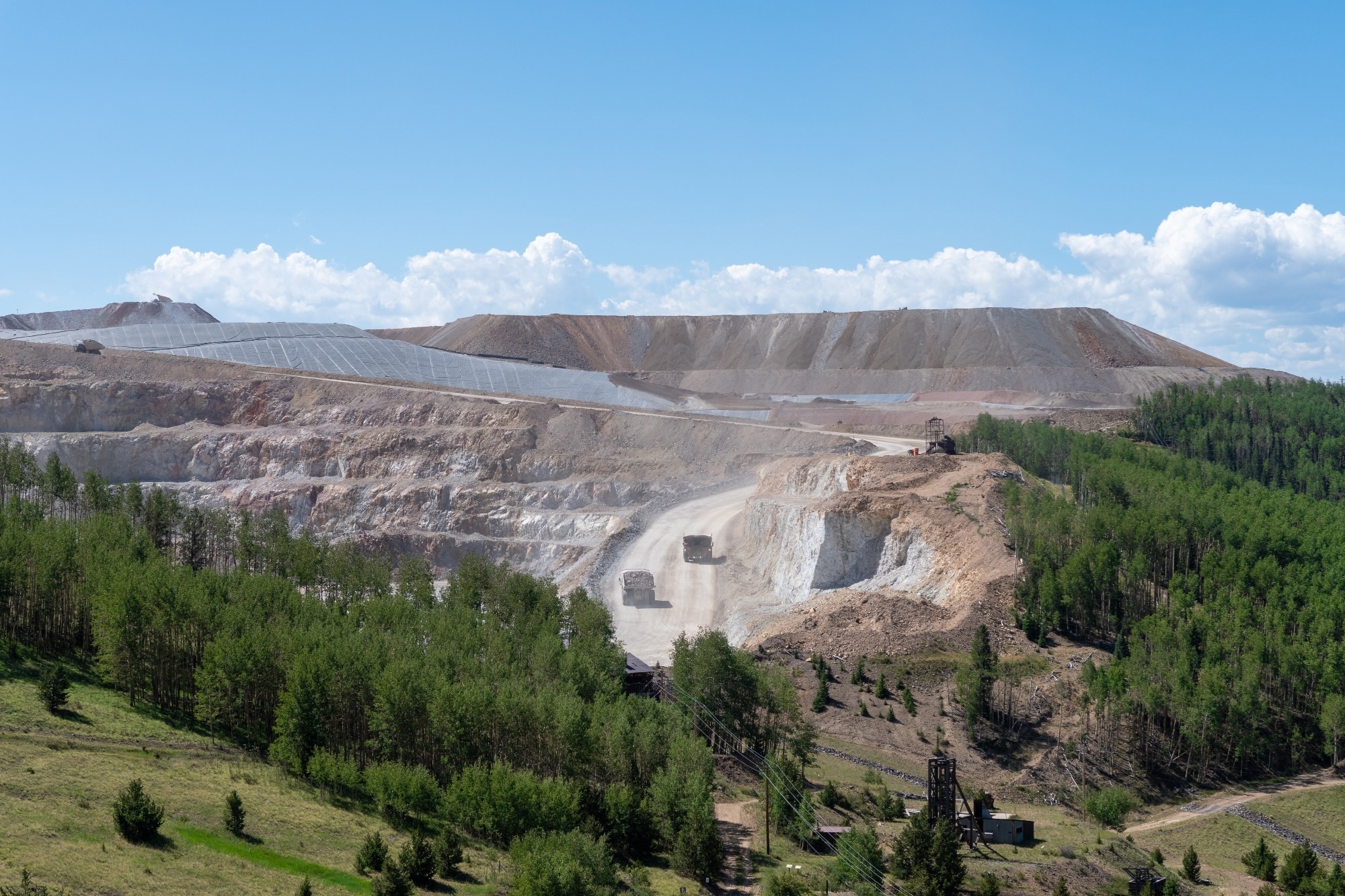
Study: The rise of brownfield mining is reshaping global mineral supply and intensifying social and environmental risk. Image Credit: Eugene BY/Shutterstock.com
Why Brownfield Mining Is Gaining Momentum
The mining sector is evolving quickly, thanks to technological advances that improve efficiency, safety, and sustainability. A key development is the increased reliance on brownfield mining - expanding operations at long-established sites - rather than building new mines from scratch.
This shift is largely driven by rising demand for critical minerals such as lithium and copper, which are essential for batteries and electrical systems in clean energy technologies. Brownfield projects are often favored because they use existing infrastructure, require less upfront investment, and face fewer regulatory hurdles than greenfield developments.
Strict environmental policies, long permitting processes, and local opposition also make greenfield mining more complex. As a result, expanding established sites has become the more pragmatic - and increasingly common - option.
How Researchers Evaluated Global Brownfield Mining Trends
To assess the scale and impact of brownfield mining, researchers analyzed more than 20 years of global mining and capital investment data. They identified 366 mines worldwide that have undergone expansion and studied their geographical distribution and the environmental and social conditions surrounding them.
The research team used a mixed-methods approach, integrating quantitative data from the U.S. Geological Survey and S&P Capital IQ Pro with qualitative assessments. These datasets provided insight into production activity, exploration trends, and investment flows.
Satellite imagery helped track land-use changes and measure the growing footprint of mining sites. To assess potential risks, researchers examined broader socio-political and environmental indicators - such as education levels, income inequality, governance quality, and exposure to ecological threats.
Click here to download a free PDF copy of this page
Environmental and Social Risks of Expanding Existing Mines
The study found that around 78 % of the examined brownfield mines exceeded multiple high-risk thresholds for socioecological impacts. This points to serious concerns surrounding environmental degradation and social tension resulting from ongoing expansion.
Many of these mines are in ecologically fragile areas, including Chile, the United States, and Australia. Over half are situated near biodiversity hotspots or protected areas, increasing the likelihood of habitat destruction, water pollution, and strain on nearby communities - particularly in regions already vulnerable.
Investment data further reinforced the trend: capital is increasingly flowing into brownfield projects. This underscores the need for regulatory frameworks that take a comprehensive view of long-term environmental and social effects, not just short-term gains.
Recommendations for Sustainable Brownfield Mining
As demand for minerals continues to rise, the study highlights the need to rethink mining strategies. While brownfield expansion may offer economic and logistical advantages, it is not without risk. In fact, the cumulative impact of multiple expansions can lead to substantial, long-lasting damage if left unchecked.
To address this, mining decisions should be guided by robust risk assessments that consider long-term consequences. Governance frameworks must incorporate environmental safeguards, social equity, and community engagement from the outset. Transparent decision-making, early dialogue with affected populations, and continuous monitoring are critical to identifying risks and preventing irreversible harm.
The researchers also stress the value of cross-sector collaboration. When mining companies, governments, and civil society work together - with clear regulations and data transparency - the outcome is more likely to benefit both people and the planet.
Looking Ahead: Building a Responsible Mineral Supply Chain
This study makes one thing clear: brownfield mining is becoming a cornerstone of the global mineral supply chain. But with this shift comes a responsibility to better manage environmental and social risks.
As the world moves toward a more mineral-intensive economy to meet climate goals, sustainability must become central to mining practices. The findings offer actionable insights for creating a more responsible, balanced approach to mineral extraction - one that protects ecosystems, supports communities, and ensures long-term resource availability.
Journal Reference
Kemp, D. et al. (2026). The rise of brownfield mining is reshaping global mineral supply and intensifying social and environmental risk. One Earth, 101563. DOI: 10.1016/j.oneear.2025.101563, https://www.cell.com/one-earth/fulltext/S2590-3322(25)00389-6
Disclaimer: The views expressed here are those of the author expressed in their private capacity and do not necessarily represent the views of AZoM.com Limited T/A AZoNetwork the owner and operator of this website. This disclaimer forms part of the Terms and conditions of use of this website.