From mining to batteries, Australia’s overlooked mineral could become a global game-changer in clean energy.
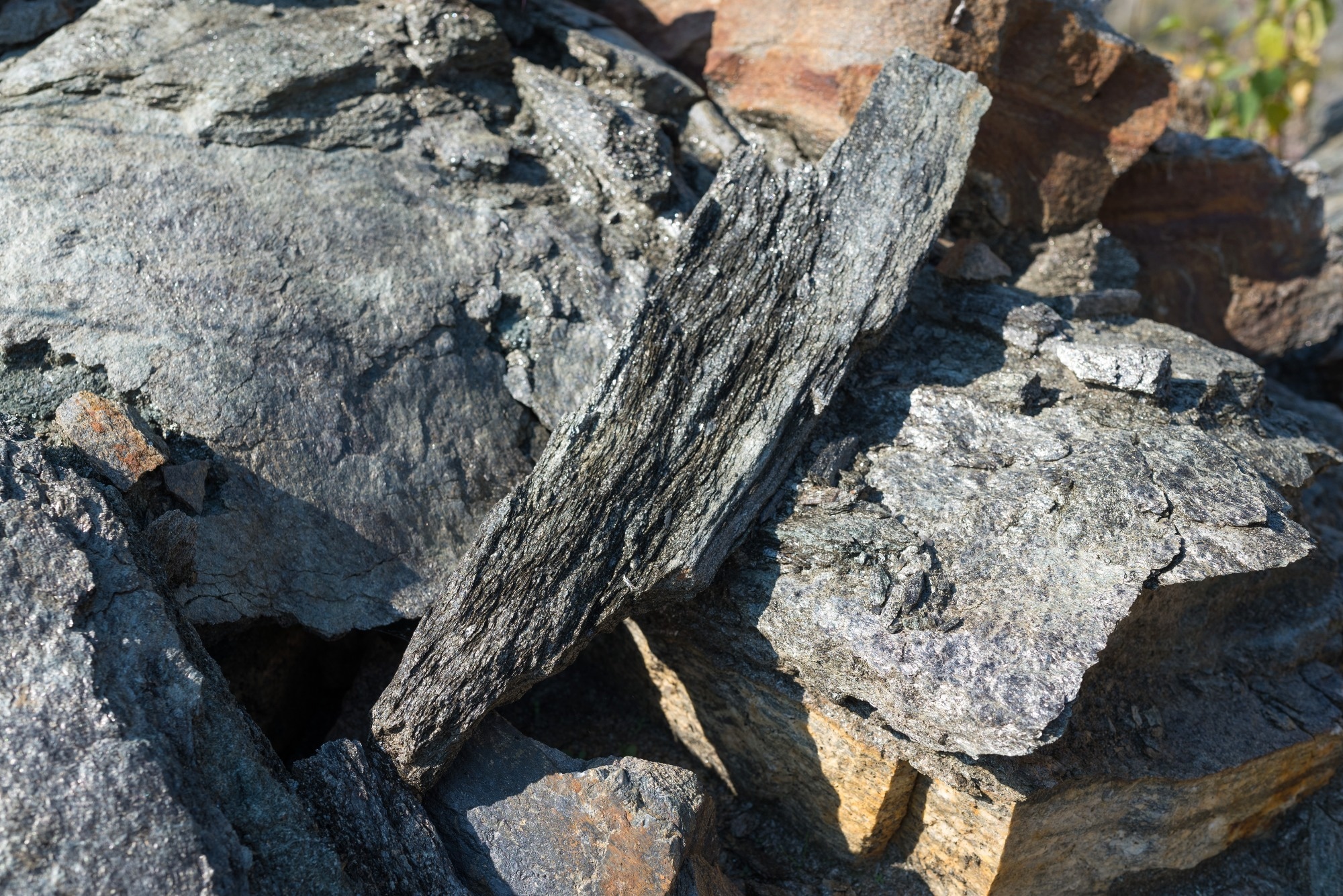
Image Credit: Akifyeva S/Shutterstock.com
Graphite: The Unsung Hero of EV Batteries
Graphite might not get the same hype as lithium, but it's just as essential to electric vehicle (EV) batteries - especially as the main material used in anodes. Thanks to its high electrical conductivity and chemical stability, graphite is a core part of lithium-ion battery tech.
With EV adoption accelerating globally, demand for battery-grade graphite is spiking. Right now, Australia holds about 4 % of the world’s graphite resources and ranks 8th for Economic Demonstrated Resources (EDR) - a respectable 26.9 million tons. The problem? Australia doesn’t yet have large-scale facilities to process graphite for EV batteries.
Mining Smarter: AI, Renewables, and Greener Processing
Getting graphite ready for battery use isn’t simple - it requires energy-intensive processes. But new tech is changing the game.
Researchers from CSIRO, Geoscience Australia, and Stanford University are looking at smarter ways to mine and process graphite. Think AI, machine learning, and better resource mapping to boost efficiency and cut environmental impact. Most of the development is focused in South Australia, Western Australia, and Queensland.
There’s also growing interest in using solar and wind to power graphite processing, making the whole system cleaner and cheaper.
Untapped Resources Meet Global Demand
Using geological and economic data, the researchers identified key graphite deposits across Australia. With more advanced tools like predictive modeling, exploration efforts are getting faster and more accurate.
Their analysis showed that even though Australia has plenty of high-quality graphite, most of it hasn’t been tapped. That could soon change, especially with growing global demand and a push to secure supply chains for critical minerals.
One key takeaway? There’s huge value in processing graphite locally. Right now, raw graphite concentrate sells for around USD 700 per ton, but when it’s processed into anode material, that number jumps to USD 7,000. That’s a big incentive for building a domestic refining industry.
The China Factor and Why Local Processing Matters
China currently accounts for around 95 % of the world’s graphite anode material production. That’s a major bottleneck and a risk for EV supply chains worldwide.
Australia’s natural graphite reserves could help break that dependency. But it needs infrastructure, investment, and policy support to scale up domestic production.
Expanding local capacity could make the country a top global supplier and reduce exposure to international supply chain disruptions, which is critical as EV battery demand continues to climb.
Graphite’s Role Beyond EVs
While EVs are the headline, graphite’s potential extends beyond them. It plays a big role in energy storage systems that support renewables such as solar and wind, making it essential for future energy grids.
Researchers also highlighted the value of developing more efficient recycling systems to recover graphite and other key materials from used batteries, reducing environmental damage and boosting sustainability.
And let’s not forget graphite’s industrial uses: from lubricants to steel production, where its thermal and electrical properties shine. Emerging technologies in spheronization and purification could help Australia produce higher-quality graphite and attract global investment.
What’s Next: Building a Competitive Edge
The report’s big message? Australia has what it takes to become a serious player in the global battery materials market if it acts now.
That means:
- Investing in advanced exploration and processing
- Building a sustainable, renewable-powered graphite supply chain
- Collaborating internationally - especially with the US - to strengthen tech and trade partnerships
Done right, this could boost Australia’s economy, secure its role in the clean energy future, and help drive the shift to electric transport.
Disclaimer: The views expressed here are those of the author expressed in their private capacity and do not necessarily represent the views of AZoM.com Limited T/A AZoNetwork the owner and operator of this website. This disclaimer forms part of the Terms and conditions of use of this website.