Dynamic mining models using DPSIRM and variable weighting assess ecological risks in lithium extraction. This mining framework enables adaptive environmental monitoring and supports sustainable resource development.
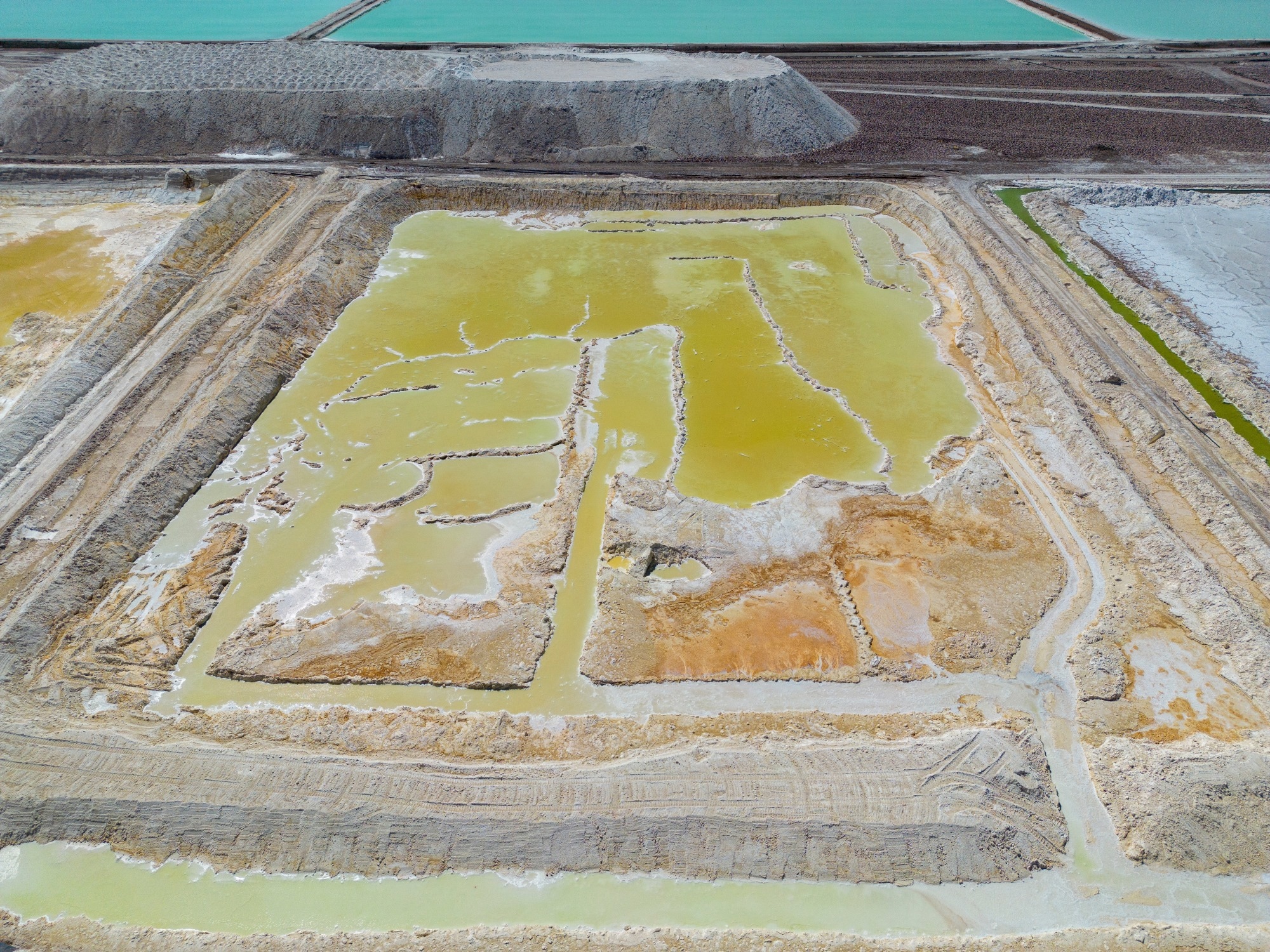 Study: Dynamic Evaluation of Ecological Security in Lithium Mining Areas by Integrating Variable Weight Theory with the DPSIRM Framework. Image Credit: Freedom_wanted/Shutterstock
The global shift to renewable energy is increasing demand for lithium, putting growing pressure on ecosystems. A study published in the International Journal of Geo-Information (IJGI) introduced a dynamic model to assess ecological impacts in the Huaqiao Township mining region from 2010 to 2024. Researchers combined the Variable Weight (VW) theory with the Driver-Pressure-State-Impact-Response-Management (DPSIRM) system.
The findings showed a “V-shaped” trend in ecological security, with initial improvement followed by a recent decline. This framework provides a structured, scientific blueprint for balancing mineral extraction (primarily lithium) with regional environmental protection.
The Environmental Paradox of Energy Transition
The rapid expansion of the new energy industrial chain has made lithium a strategic resource for the 21st century. It is essential for high-capacity batteries and electric vehicles. However, in regions such as Yichun, lithium is primarily extracted from lepidolite via intensive open-pit mining. Conventional environmental assessment methods rely heavily on static, fixed-weight indicators, which fail to capture rapid, localized changes in mining areas.
In fragile hilly landscapes, natural soil sensitivity combines with anthropogenic mining activities such as surface stripping and waste accumulation, creating complex ecological stress. Therefore, this highlights the need for adaptive monitoring systems that can effectively track dynamic changes and prevent long-term environmental damage.
Adaptive Geospatial Frameworks for Mining Supervision
Researchers developed a multi-indicator system with 17 variables under the DPSIRM framework to capture mining impacts. The model links economic drivers, such as gross domestic product (GDP) and pressures (e.g., desertification and road density), to ecological states, such as vegetation cover and soil moisture, as well as management responses.
Multisource data, including remote sensing imagery, meteorological records, and topographic information, were standardized to a 30-meter resolution. Analysis was conducted across four time points: 2010, 2015, 2019, and 2024. A key innovation is the use of VW theory. Unlike Constant Weight (CW) methods, which assign fixed weights to factors such as vegetation or soil quality, VW dynamically adjusts the importance of indicators. It increases the influence of factors that show critical degradation.
For example, if a specific mining site shows a sudden, extreme drop in vegetation cover, the VW algorithm "penalizes" the overall ecological security score more heavily than a standard average would. This prevents localized high-risk zones, such as waste rock accumulation areas or new open-pit excavations, from being obscured by stable data from surrounding regions. The results were further validated using the Geographic Detector framework to assess the influence and interaction of complex driving factors.
Spatiotemporal Trajectories and the Mechanics of Ecological Shift
The evaluation outcomes showed a clear stage-wise trend in the Huaqiao Township region. From 2010 to 2015, ecological conditions improved. The share of “Very Secure” areas increased from 62.96% to 69.61%, driven by the consolidation of smaller mining operations.
After 2019, rapid lithium expansion reversed this trend. By 2024, “Very Secure” areas declined to 63.45%, while low-security zones expanded around major sites such as Qiankeng and Shixiawo. The geographic detector analysis identified important drivers of ecological variation, with vegetation coverage (q=0.740-0.761), desertification index (q=0.717-0.757), and surface moisture as the most influential factors.
Interactions between factors showed stronger effects than individual variables. For example, mining proximity combined with vegetation loss produced the highest impact (q=0.82-0.86), indicating a cascade effect linking vegetation decline, moisture loss, and desertification. The VW model proved more sensitive than traditional methods. It identified 15.63% of the Shixiawo area as “Very Insecure” in 2015, while CW models detected no high-risk zones.
Implementation for Sustainable Mining Operations
This research has significant implications for both mining operators and regulators. By adopting the VW assessment model, mining companies can implement "Differentiated Governance" strategies. Instead of applying broad, uniform restoration measures, they can use the model’s sensitivity to identify high-risk "penalty zones" for targeted actions such as precise resource allocation for soil stabilization, moisture management, and reforestation. This also helps anticipate impacts during infrastructure growth and waste accumulation.
For government agencies/regulators, the framework supports more precise policy design. Authorities can define buffer zones around intensive mining areas rather than applying uniform controls across an entire township. Overall, these insights improve land-use planning and help balance lithium extraction with long-term ecosystem protection.
Future Directions on Green Mining Infrastructure
In summary, this study shows that integrating DPSIRM with VW theory advances the “Green Mining” assessment. It treats ecological security as a dynamic system that requires adaptive management. The findings highlight the need to align resources with continuous governance, mainly during expansion phases when environmental stress is highest.
Download the PDF of this page here
The model demonstrates that lithium extraction can support the energy transition, but only with rigorous, real-time monitoring to prevent long-term environmental damage. Future work should focus on further incorporating higher-frequency data and groundwater response indicators, as well as tracking the movement of mining waste, to strengthen system accuracy. Overall, this framework provides a practical path for balancing lithium production with environmental resilience, ensuring sustainable resource development.
Journal Reference
Yin, X., & et al. (2026). Dynamic Evaluation of Ecological Security in Lithium Mining Areas by Integrating Variable Weight Theory with the DPSIRM Framework. IJGI, 15(5), 185. DOI: 10.3390/ijgi15050185, https://www.mdpi.com/2220-9964/15/5/185
Disclaimer: The views expressed here are those of the author expressed in their private capacity and do not necessarily represent the views of AZoM.com Limited T/A AZoNetwork the owner and operator of this website. This disclaimer forms part of the Terms and conditions of use of this website.