Copper mining waste has been investigated as a potential secondary source of critical raw materials. Based in Ro?ia Poieni, Romania, the study examined waste materials from the Geamana and Halda Veche dumps to understand their mineralogical composition and environmental characteristics. The findings, published in Sustainability, establish a mineralogical basis for targeted resource recovery and more sustainable mine waste management.
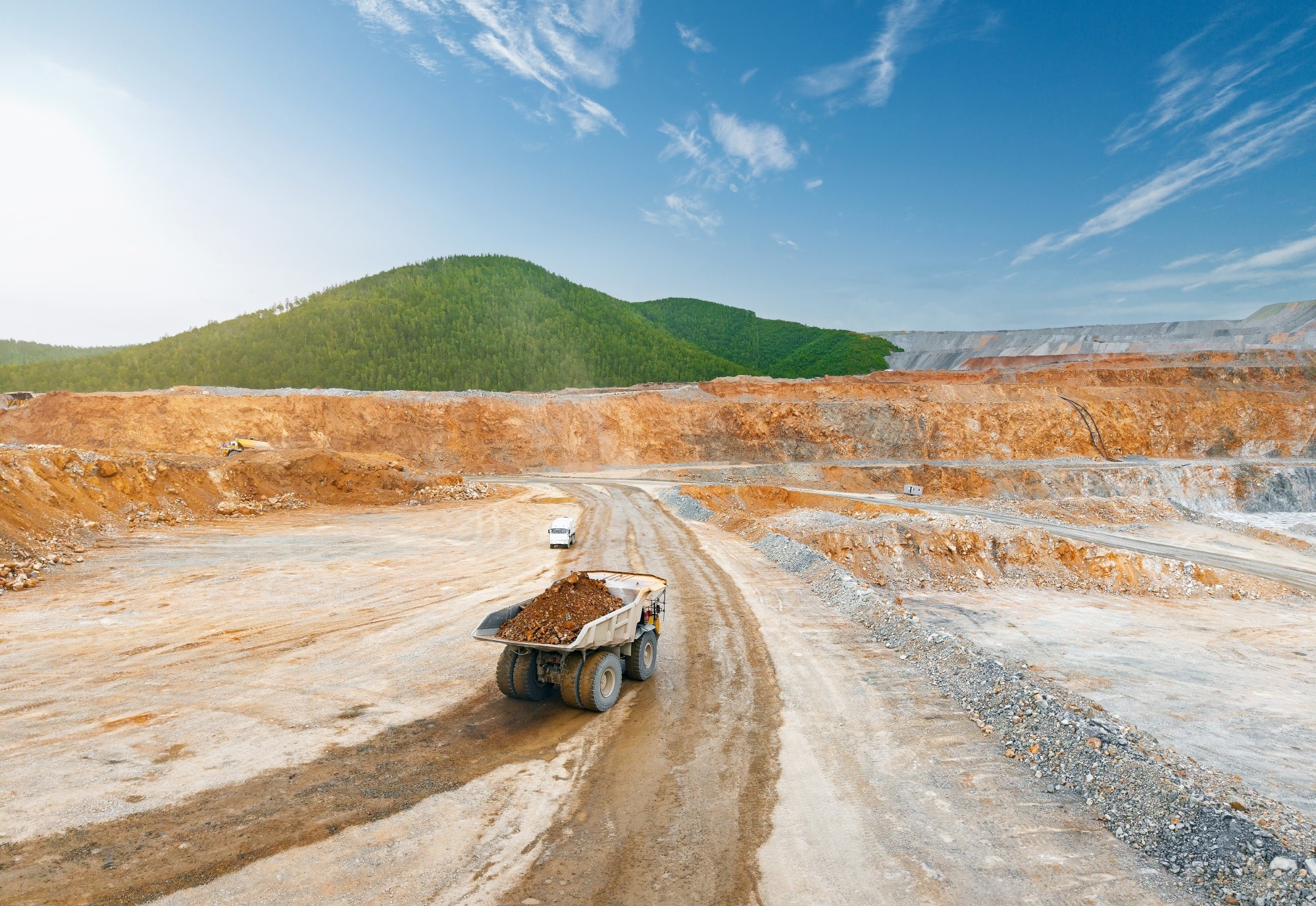 Study: Unlocking Critical Raw Materials from Copper Waste Dumps at Ro?ia Poieni: Implications for Sustainable Resource Recovery. Image Credit: Parilov/Shutterstock.com
Exploring the Secondary Resource Potential of Copper Mining Waste
Growing demand for critical raw materials (CRMs) in renewable energy, electrification, digital infrastructure, and other industrial applications has increased concerns about mineral supply security.
Copper, titanium, and phosphorus play important roles in these sectors. However, their supply chains remain vulnerable to geographical concentration of primary resources.
Recovering these valuable elements from existing mining waste could help diversify supplies and reduce reliance on newly mined materials. However, variations in mineral composition and elemental distribution make recovery challenging. Understanding the waste’s mineralogical characteristics is essential for developing suitable recovery and management strategies.
In this study, researchers investigated Ro?ia Poieni, one of Romania's major porphyry copper deposits. The study examined how mineralogical variations influence the occurrence of valuable mineral phases and the environmental behavior of mining waste. This integrated approach provides a foundation for assessing resource recovery alongside environmental management.
Assessing Mineralogical Variations in Mine Waste
The researchers collected 10 samples (RP1–RP10) from both active and decommissioned waste dumps at the Geamana and Halda Veche sites. They followed European waste-characterization
standards EN 14899:2005 and CEN/TR 16376:2012.
The researchers dried, sieved, and ground the collected materials to obtain powders with particle sizes below 0.063 mm. They also prepared selected rock fragments as polished sections for grain-scale analysis.
Powder X-ray diffraction (PXRD) identified and quantified crystalline mineral phases in the bulk samples. The researchers applied Rietveld refinement to determine the relative abundance of individual minerals in five selected samples representing contrasting compositions.
Scanning electron microscopy with energy-dispersive X-ray spectroscopy (SEM-EDS) examined selected mineral grains and measured their elemental composition. Raman spectroscopy provided additional structural information and helped identify minerals associated with sulfide oxidation, secondary alteration, and acid neutralization. By combining these results, the researchers examined mineralogical variations at both bulk and grain scales.
Identifying Valuable Minerals and Environmental Indicators
PXRD revealed significant mineralogical differences among the five selected samples. The results showed that the Ro?ia Poieni waste dumps contain distinct combinations of ore minerals, silicates, clay minerals, carbonates, and secondary alteration products.
Three major samples (RP7, RP8, and RP9) contained notable copper-bearing phases. RP8 contained about 12.88% chalcopyrite, 7.84% bornite, and 7.60% rutile. RP9 contained about 13.48% chalcopyrite and 5.95% pyrite, while RP7 contained 15.78% cuprite. These differences distinguish sulfide-rich and oxidized copper-bearing assemblages that warrant further recovery assessment.
The other samples, such as RP1, contained several feldspar minerals: albite, sanidine, orthoclase, and anorthite, and 7.90% galena. RP2 was dominated by illite–montmorillonite (29.49%) and moganite (23.52%). Such variations highlight the need to characterize individual waste materials before selecting processing methods.
SEM-EDS provided further evidence of valuable elements within selected mineral grains. The analyzed bornite contained 55.25 wt.% copper, while apatite contained 13.46 wt.% phosphorus. These findings identify mineral hosts associated with critical raw materials.
Download a free copy of this page here!
Raman spectroscopy identified pyrite and melanterite, a hydrated iron sulfate associated with sulfide oxidation. Pyrite oxidation can generate acidity and contribute to acid mine drainage (AMD), potentially mobilizing toxic elements.
However, calcite and dolomite can help neutralize acidity through carbonate dissolution. Their coexistence with sulfides indicates the potential for competing acid-generating and -neutralizing processes. These findings provide preliminary environmental indicators rather than direct evidence of contaminant release or AMD formation.
Advancing Sustainable Resource Recovery and Mine Waste Management
This study establishes mineral characterization of mining waste as an important first step in evaluating it as a potential secondary resource.
Chalcopyrite, bornite, cuprite, rutile, and apatite represent potential mineral hosts for copper, titanium, and phosphorus. These elements are important to several industrial sectors, highlighting the potential value of recovering them from existing mining waste.
The findings have implications for environmental management. Pyrite and melanterite indicate potential sulfide oxidation, while calcite and dolomite can help neutralize acidity. Further investigations are needed to determine how these minerals influence elemental mobility and the environmental behavior of the waste.
The mineralogical data could also guide future research into assisted phyto-mining, which uses plants to extract metals from contaminated materials. However, its application will depend on metal availability, plant tolerance, and metal uptake efficiency.
Controlled weathering and leaching experiments could help researchers understand how changing environmental conditions influence mineral stability and elemental mobilization.
Future work involving representative bulk geochemical analyses, mineral liberation studies, acid-base accounting, and metallurgical testing is necessary to establish resource grades, environmental risks, and actual recovery potential.
Overall, the study provides a mineralogical foundation for evaluating copper mining waste as a potential source of valuable raw materials. It also supports sustainable mine waste management and circular resource use through an integrated approach to resource recovery and environmental protection.
Journal Reference
Popescu, I., et al. (2026). Unlocking Critical Raw Materials from Copper Waste Dumps at Ro?ia Poieni: Implications for Sustainable Resource Recovery. Sustainability, 18. DOI: 10.3390/su182111208. https://www.mdpi.com/2071-1050/18/21/11208
Disclaimer: The views expressed here are those of the author expressed in their private capacity and do not necessarily represent the views of AZoM.com Limited T/A AZoNetwork the owner and operator of this website. This disclaimer forms part of the Terms and conditions of use of this website.