Mining is essential to the supply of copper, cobalt, bauxite, and gold that power modern economies, especially the batteries and power lines of the clean energy transition. However, the most visible aspect of mining is only the surface of a much larger issue. The ecological impact of mining extends far beyond the open pit, affecting roads, rivers, waste dams, and the settlements that grow around a mine.
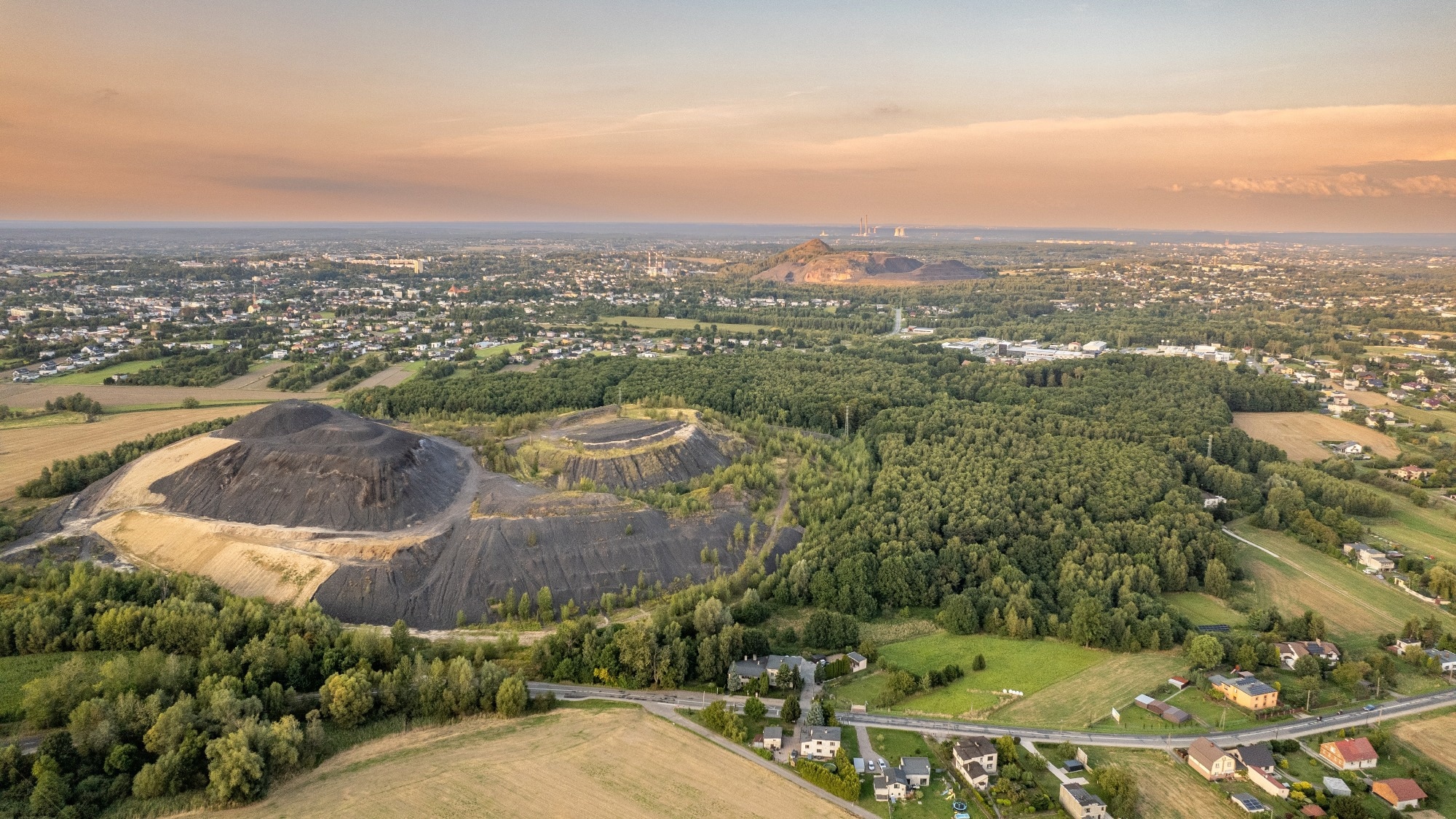
Image Credit: Marcin_Morawiec/Shutterstock.com
Scientists have spent recent years measuring that wider footprint with satellites, river surveys, and wildlife databases. This article examines the impact of mining on biodiversity beyond the mine site, exploring forest loss, river contamination, tailings risks, threats to great apes, and the emerging deep-sea frontier.
How Mining Clears Forests Directly
The most immediate impact of mining comes from clearing land for pits, waste dumps, processing plants, and access roads.
A study published in PNAS used satellite data to map 3446 industrial mining areas across 26 tropical countries between 2000 and 2019. It found that mine expansion directly removed 3264 km2 of forest, nearly half of the forest that stood inside those mining areas in 2000.1
The study also revealed a critical geographic disparity in the impact of mining. Indonesia, Brazil, Ghana, and Suriname account for 80% of the impact, and coal mining in East Kalimantan drives most of Indonesia’s share.1
The pace of mining increased over time, with 65% of the clearing occurring in the study’s second decade. For species with small ranges, such as many tropical amphibians, the loss of a few hundred square kilometers in the wrong place can remove a large share of their habitat.1
The Ripple Effect Around Mines
The same PNAS study also examined past lease boundaries to measure indirect deforestation. Since mines require power, processing facilities, and transport routes, the jobs they create attract
workers, leading to the growth of settlements that push into nearby farmland and pasture.1
The researchers further tested whether forests closer to industrial mines disappeared faster than forests more than 50 km away, after accounting for other drivers of tropical deforestation. In 18 of the 26 countries, they did. In Brazil, moving 10% closer to a mine raised the deforestation rate by about 3%, and in Gabon, the increase reached 19%. An earlier study in the Amazon showed that mining-related clearing reached up to 70 km from mining leases.1
Rivers Carry Mining Downstream
Water further increases the influence of mining operations. A global assessment published in Science mapped 22,609 active metal mines and 159,735 abandoned ones, then modeled where their waste travels.2
The team estimated that metal mining contaminates about 479,200 km of river channels and 164,000 km2 of floodplains worldwide. Floodplains matter for biodiversity because they host wetlands, fish nurseries, and riverside forests that support many species.2
Inactive sites are responsible for about three-quarters of the affected river length. Metals like lead, zinc, and arsenic stay in the sediments and continue to move downstream for decades after the mines close. Moreover, the chronic, everyday release of waste from active and inactive mines causes 30 to 90 times more river and floodplain impact than dam failures do.2
Tailings and Protected Areas
Such dam failures still warrant attention given where tailings are stored. Tailings are the fine waste left after ore processing, and they are held behind some of the largest engineered structures on Earth.
A University of Queensland study of 1721 disclosed tailings facilities found that 9% sit inside protected areas and another 20% lie within five kilometers of one.3
The ramifications of a failure can be catastrophic. The 2019 collapse near Brumadinho in Brazil killed 270 people and destroyed 133 hectares of Atlantic Forest and 70 hectares of downstream protected land. The Queensland researchers expect global tailings volumes to grow significantly over the next 30 years as ore grades decline and demand for energy transition metals rises, placing more waste near land set aside for conservation.3
Pressure on Great Apes
Wildlife faces many challenges that maps of cleared land do not show. Research shows that nearly 180,000 gorillas, chimpanzees, and bonobos in Africa live in areas that could be affected by these
activities: this is more than a third of Africa’s great apes. The researchers counted direct effects within 10 km of mines and indirect effects within 50 km of mines.4
The threats include habitat loss, industrial noise that interferes with ape communication, artificial light, vehicle collisions, and the spread of disease between people and apes. These threats are especially pertinent in Guinea, where up to 80% of the country’s apes could be affected.
Exploration in these countries is poorly regulated, so companies often collect baseline data after years of disturbance. They recommend avoiding harm in the first exploration stage, rather than minimizing, restoring, or offsetting it.4
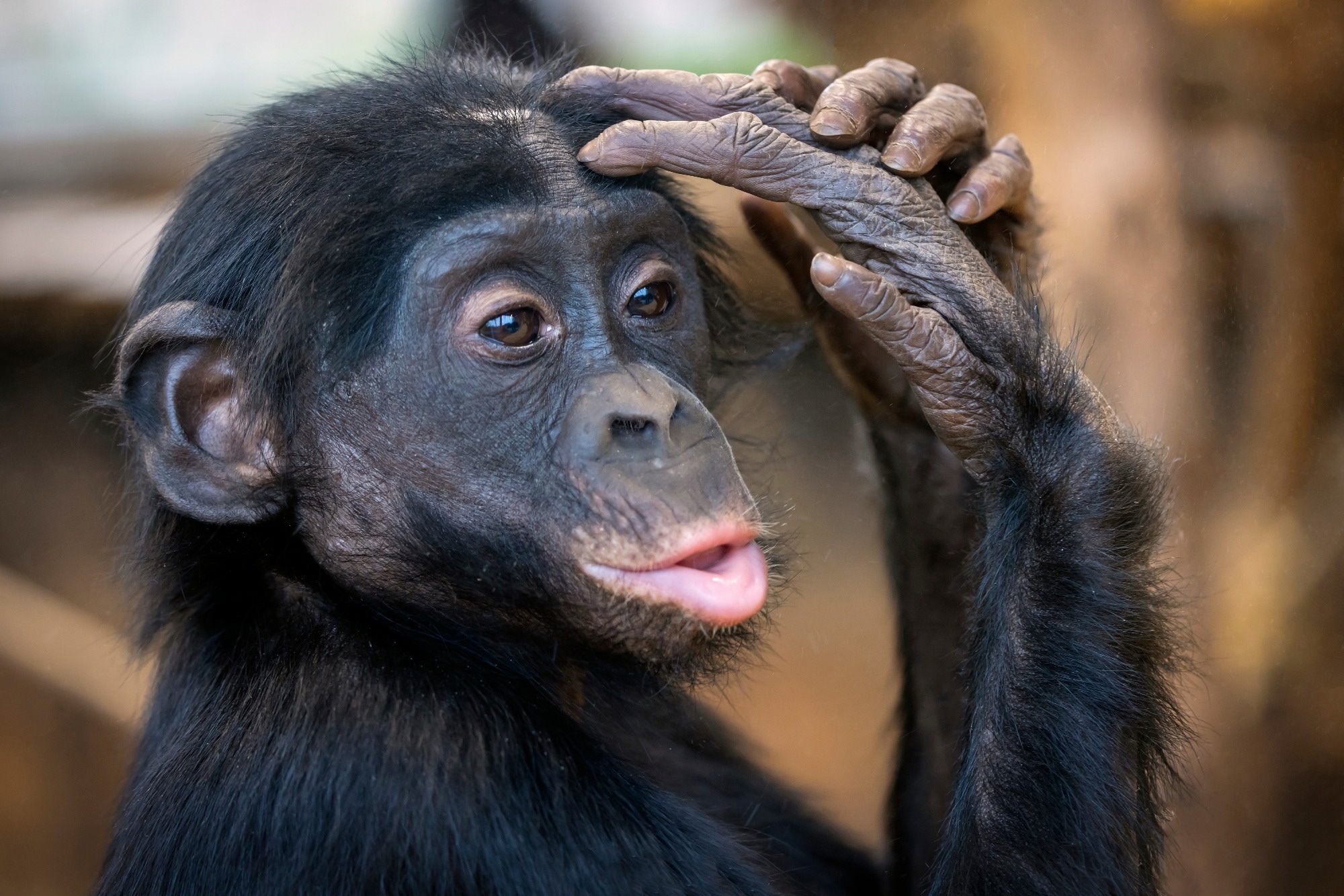
Image Credit: Edwin Butter/Shutterstock.com
The Deep-Sea Frontier
The search for metals is now moving toward the ocean floor, where polymetallic nodules rich in nickel, cobalt, and manganese cover parts of the Pacific seabed. The Clarion-Clipperton Zone, spanning about six million km2 between Hawaii and Mexico, is the world’s largest mineral exploration region.5
A study in Current Biology compiled records from decades of research expeditions to estimate how many animal species live there. The team recorded 5578 species and found that about 92% of them lacked scientific names.5
Their statistical estimates place the true total between 6233 and 87620 species, and they treat even those numbers as lower bounds. This knowledge gap means regulators would be assessing mining impacts on communities that science has barely begun to describe, making baseline surveys a precondition for any responsible decision.5
Conclusion
Tracing mining’s impacts on biodiversity reveals a footprint that grows with distance from the pit. Direct clearing destroys forests within lease areas, while roads and infrastructure lead to additional habitat loss in surrounding landscapes.
Metal pollutants from both active and abandoned mines can harm rivers, and the construction of tailings dams poses risks near protected areas, affecting wildlife like great apes. The deep sea also remains largely unexplored and vulnerable.
These findings point toward a practical lesson for policy and industry. Environmental assessments should consider impacts beyond mining boundaries, including nearby watersheds and communities. As demand for metals increases, effective protection of biodiversity will require comprehensive measurement of mining impacts and action before mining starts.1,4
References and Further Reading
- S. Giljum, et al. (2022). A pantropical assessment of deforestation caused by industrial mining, PNAS, 119(38). DOI:10.1073/pnas.2118273119. https://www.pnas.org/doi/10.1073/pnas.2118273119
- M. G. Macklin, et al. (2023). Impacts of metal mining on river systems: a global assessment. Science, 381. DOI:10.1126/science.adg6704. https://research.vu.nl/ws/files/263487818/science.adg6704_Impacts_of_metal_mining_on_river_systems_a_global_assessment.pdf
- Sensitive ecosystems at risk from mine waste. (2023). [Online] The University of Queensland Australia. Available at: https://news.uq.edu.au/2023-11-28-sensitive-ecosystems-risk-mine-waste
- Dulisse, A. (2024). Study: A third of Africa’s great apes at risk from mining of transition metals. [Online] Mongabay News. Available at: https://news.mongabay.com/2024/06/study-a-third-of-africas-great-apes-at-risk-from-mining-of-transition-metals/
- Rabone, M. et al. (2023). How many metazoan species live in the world’s largest mineral exploration region? Current Biology, 33(12). DOI:10.1016/j.cub.2023.04.052. https://www.cell.com/current-biology/fulltext/S0960-9822(23)00534-1
Disclaimer: The views expressed here are those of the author expressed in their private capacity and do not necessarily represent the views of AZoM.com Limited T/A AZoNetwork the owner and operator of this website. This disclaimer forms part of the Terms and conditions of use of this website.