Researchers have addressed a significant knowledge gap concerning the microbial ecology of acid mine drainage (AMD) systems in Armenia, a region with an extensive history of base and precious metal mining.
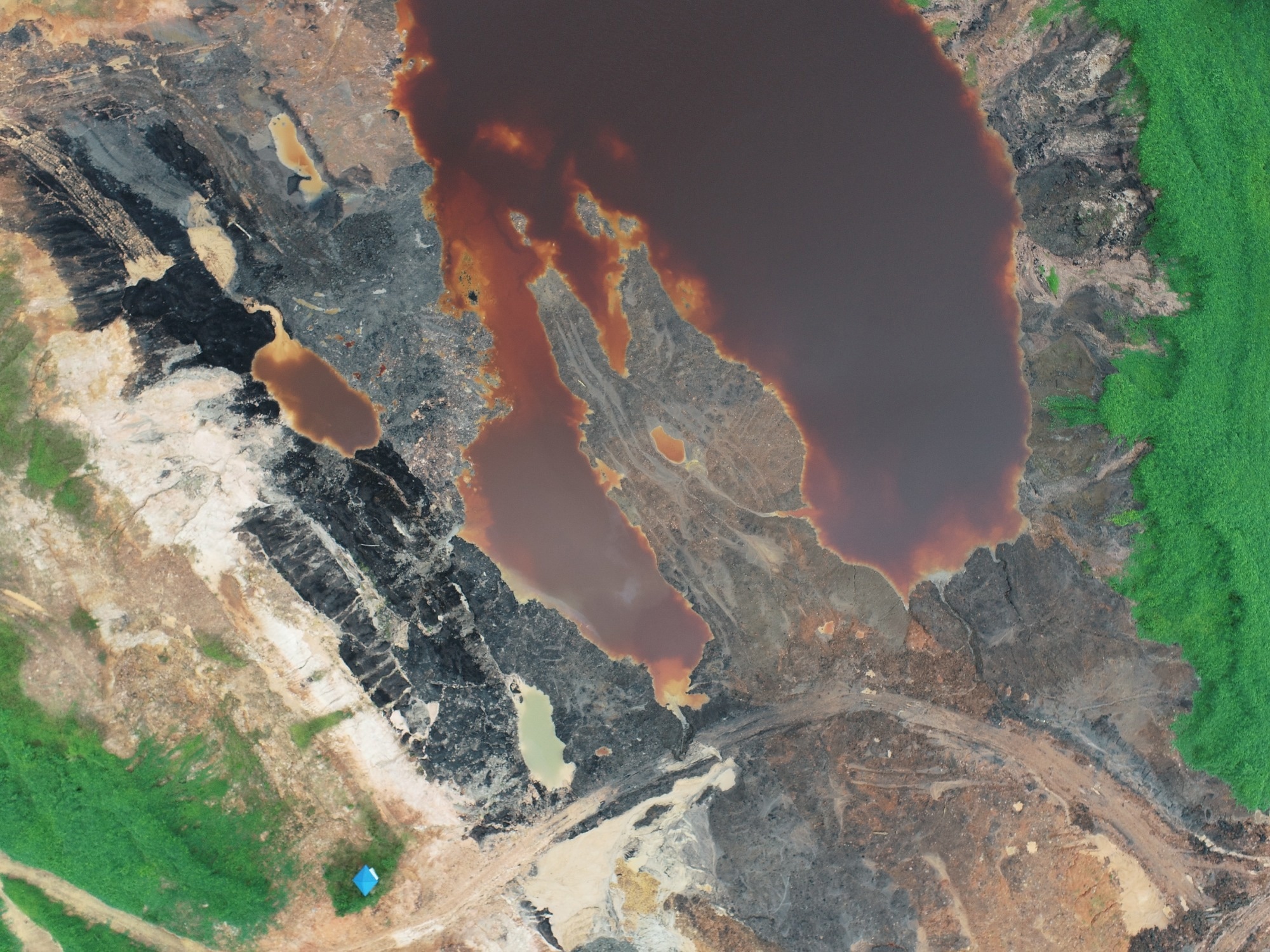
Image Credit: Aghnia's Father/Shutterstock.com
Background
AMD, characterized by acidic effluent rich in sulfates and metals, forms through the microbial oxidation of sulfide minerals such as pyrite.
Primary bacterial phyla typically found in AMD include Pseudomonadota (e.g., Acidithiobacillus, Acidiphilium, Ferrovum), Nitrospirae (Leptospirillum spp.), and Firmicutes (Sulfobacillus spp.). Among these, Acidithiobacillus ferrooxidans and Leptospirillum species are well-known accelerators of sulfide mineral oxidation, contributing significantly to AMD production, especially in extremely acidic sites.
While AMD is a global phenomenon, the specific microbial communities in the Caucasus region, shaped by local geochemistry and mineralogy, remain largely unexplored. This lack of data hinders the understanding of unique microbial taxa and genetic determinants, such as novel metal resistance genes (MRGs) or acid-stable enzymes, relevant to biotechnology.
The Study
Samples for metagenomic analysis were collected from three specific sites in the Syunik Province of Armenia: sediment and AMD from the Kavart abandoned mine (KAM), effluent from the Kapan exploring mine (KEM), and black shale from the Artsvanik tailing (AT). To account for potential seasonal variations, sampling was conducted in both summer (July) and winter (December) of 2023, resulting in a total of six samples.
Physicochemical parameters, including pH, electrical conductivity, redox potential, and concentrations of heavy metals (e.g., Fe, Cu, As, Zn, Ni, Pb), were measured using a multiparameter sonde and Inductively Coupled Plasma Optical Emission Spectrometry (ICP-OES). High-quality DNA was extracted from the filtered AMD and tailing samples.
Metagenome sequencing was performed on an Illumina or MGI platform. Clean reads were co-assembled using MEGAHIT, and open reading frames were predicted. Taxonomic classification utilized the NCBI NR database, while functional analyses included blasting genes against databases such as the Carbohydrate-Active Enzymes (CAZy) database to assess the potential for extracellular polymeric substances (EPS) production and biofilm formation, and specialized databases for MRGs. In parallel, a novel iron-oxidizing bacterium, designated Arm-12, was isolated from the collected samples. Enrichment cultures were established in MAC medium containing FeSO4 as the energy source, incubated at 37 °C and 45 °C, and pure cultures were obtained by serial dilution.
Results and Discussion
Metagenomic analysis revealed that the Armenian AMD and tailing microbial communities were predominantly bacterial, specifically dominated by Pseudomonadota (68–72 %). However, the communities displayed unique, site-specific variations at the genus level, which appear strongly influenced by local geochemical conditions. For example, the AT sample showed a dominance of Sphingopyxis and Massilia, contrasting with the typical prevalence of Leptospirillum and Acidithiobacillus in highly acidic streams.
The high abundance of Acidiphilium and Metallibacterium in KAM suggested adaptations to elevated concentrations of Fe, Cu, and Mn. These findings underscore the influence of heavy metal concentrations on microbial structure, a pattern not previously documented in Armenian AMD environments.
Functional analysis highlighted the importance of adaptive strategies against metal stress. There was a high abundance and diversity of MRGs across all sites. Copper (Cu) resistance genes were the most prevalent, followed by arsenic (As) resistance genes, indicating that Cu and As are dominant selective pressures. This aligns with the measured metal profiles and confirms that mining activities have enriched resistance determinants in these sites. Furthermore, CAZy analysis indicated a high potential for biofilm formation; specifically, genes encoding Glycosyl Transferases (GT2 and GT4) were dominant. These enzymes are crucial for EPS biosynthesis, which aids microbial survival under metal stress and facilitates colonization of mineral surfaces, a prerequisite for bioleaching activity.
A highly significant finding was the isolation of a novel thermoacidophilic iron-oxidizing bacterium, strain Arm-12 (accession number PP389931). This strain exhibited an optimal growth temperature of 45 °C, which is higher than previously described Leptospirillum strains. Comparative analysis of its 16S rRNA gene sequence showed only 90.77 % and 89.54 % similarity to Leptospirillum ferriphilum and Leptospirillum ferrooxidans, respectively. This low similarity suggests that Arm-12 may represent a new genus without culturable representatives. Crucially, Arm-12 demonstrated enhanced copper extraction from concentrate, highlighting its superior adaptability to extreme conditions (low pH, high temperature) and its potential as a robust candidate for industrial bioleaching applications.
Conclusion
This research offers the first molecular insights into the microbial ecology of Armenian AMD ecosystems, demonstrating that the unique geochemistry of the Syunik region supports distinct microbial communities. These assemblages are rich in MRGs and enzymes necessary for biofilm formation, reflecting strong adaptive strategies to extreme metal stress.
The predominance of Pseudomonadota and the distinct genus-level variations confirm that microbial community structure is strongly correlated with site-specific chemical compositions. The high relative abundance of Cu- and As-related resistance genes underscores these metals as major drivers of microbial community structure. This work expands the understanding of microbial diversity in extreme environments and provides valuable data to advance biomining and metal bioremediation strategies.
Journal Reference
Khachatryan A., Vardanyan A., et al. (2026). Metagenome Insights into Armenian Acid Mine Drainage: A Novel Thermoacidophilic Iron-Oxidizing Bacterium with Perspectives for Copper Bioleaching. Microorganisms 14(1):146. DOI: 10.3390/microorganisms14010146, https://www.mdpi.com/2076-2607/14/1/146