A new review outlines major advances in electrochemical methods for extracting uranium from seawater and mining wastewater. With growing global energy demands and limited terrestrial uranium reserves, these innovations could be key to securing long-term nuclear fuel supplies.
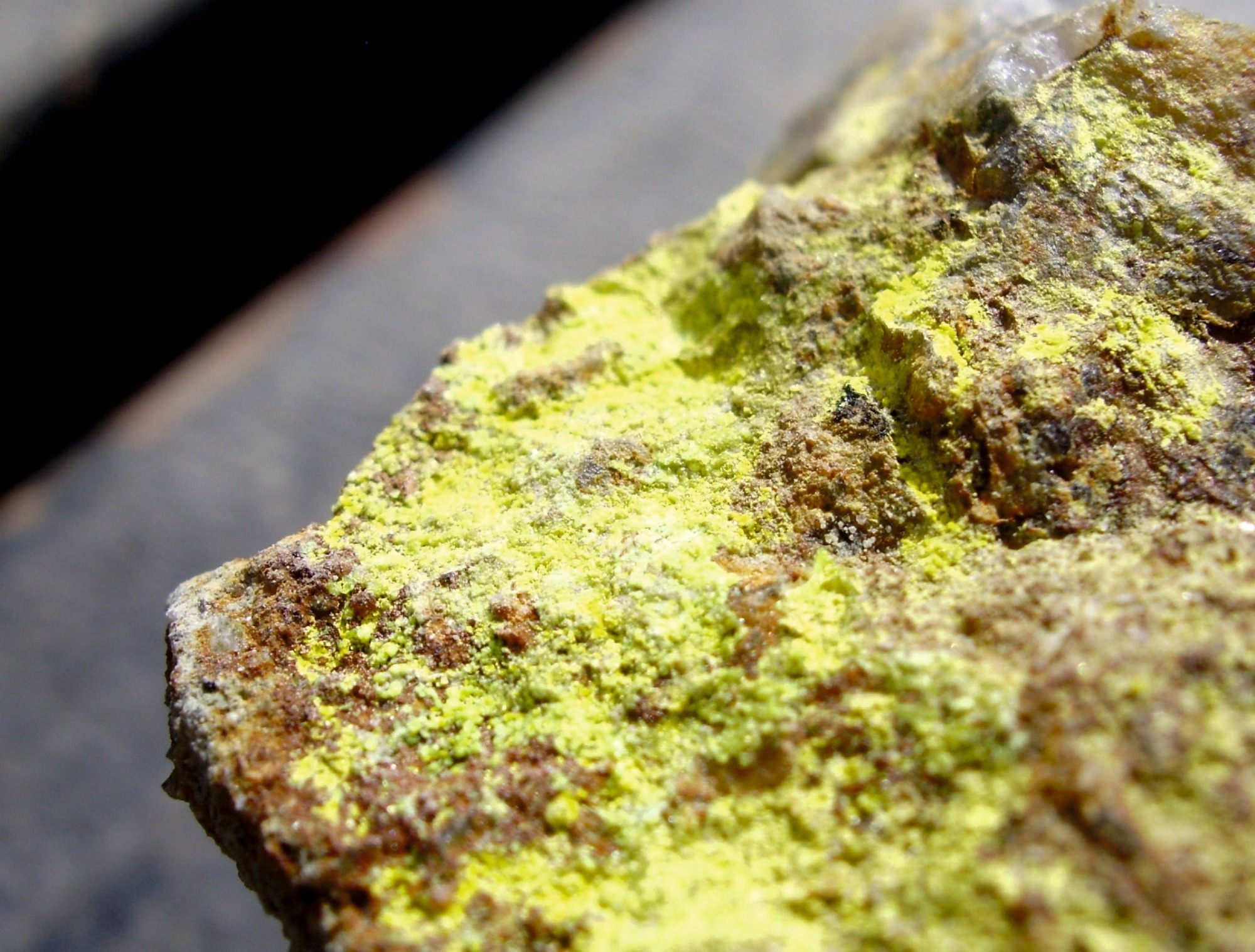
Review: A critical review of electrochemical strategies for selective uranyl recovery from radioactive wastewater and seawater. Image Credit: Lutfi Taskiran/Shutterstock.com
Uranium Extraction’s Importance
Due to its radioactive nature, uranium is used to power nuclear reactors to produce a clean, low-carbon source of energy and is important in the fight for a greener world. But as demand for nuclear energy grows, so does the need for uranium, a resource that is quite hard to find on land. Terrestrial uranium deposits are estimated at approximately 4.5 million tons. It seems vast, but in comparison, 4.5 billion tons are hidden under our seas and in contaminated wastewater.
Uranium’s high mobility and toxicity mean it can easily migrate through soil and groundwater. Prolonged exposure leads to serious health risks, including damage to the kidneys, liver, and nervous system. Therefore, developing reliable, scalable methods for removing and recovering uranium from water sources is essential.
Highlights from the Review: Electrochemical Approaches Gaining Traction
The recent review, published in Sustainable Carbon Materials, focuses on electrode materials research, from conventional powders to advanced self-supporting structures. It then assesses the materials’ preparation, performance, and limitations.
Electrocatalysis
One standout technique is electrocatalysis. This involves the adsorption of uranyl ions followed by their reduction into insoluble solid forms.
Several studies have found that electrode surface properties, such as the presence of Lewis acid sites, can significantly enhance uranyl uptake and reduction.
In real-world applications like mining wastewater treatment, where effluents are chemically complex and span a wide pH range, these properties become even more critical. For example:
- MXene-based electrodes achieved a 98.4 % extraction efficiency in uranium-laden wastewater because of their high surface area, electronegativity, and abundant sorption sites.
- A bipolar electrochemical setup used a carbon cloth anode decorated with nanoscale zero-valent copper and a titanium cathode, demonstrating practical potential in industrial settings.
Linking Hydrogen Evolution with Uranium Recovery
An interesting connection found during the review is between the Hydrogen Evolution Reaction (HER) and uranyl extraction.
In one study, a Co- and Al-modified (CA) electrode delivered 99 % uranyl removal within an hour in simulated seawater. The HER bubbles helped dislodge uranium precipitates from the electrode surface, improving its reusability. This is a major advantage for scaling up the technology.
What Makes an Electrode Effective?
The review breaks down the many factors that influence electrochemical uranyl removal. These include:
- Voltage and flow rate
- Electrode pore size and surface area
- Ionic strength and competing ions in the solution
- Electrolyte type (e.g., sodium nitrate improves efficiency; sodium sulfate may hinder it)
Advanced methods such as half-wave rectified alternating current electrochemistry (HW-ACE) and potentiostatic polarization have shown promise for boosting efficiency. HW-ACE, for instance, enables continuous cycles of ion adsorption, reduction, and particle growth - all driven by well-controlled voltage shifts.
Looking Ahead: Challenges and Opportunities
While electrochemical methods offer selective, efficient, and eco-friendly uranium recovery, scaling them up still faces key hurdles. Chief among them is the requirement for external power sources, which can impact both cost and sustainability.
Future research must focus on:
- Designing low-cost, high-performance electrode materials
- Reducing the energy consumption of electrochemical systems
- Integrating these technologies into broader, multidisciplinary approaches
Journal Reference
Li J., Chen Q. et al. (2026). A critical review of electrochemical strategies for selective uranyl recovery from radioactive wastewater and seawater. Sustainable Carbon Materials 2: e001. DOI: 10.48130/scm-0025-0012, https://www.maxapress.com/article/doi/10.48130/scm-0025-0012