Mine water rich in dissolved salts is reframed as a resource through circular economy strategies. Desalination and mineral recovery reduce environmental impact while enabling industrial reuse and sustainable post-mining development.
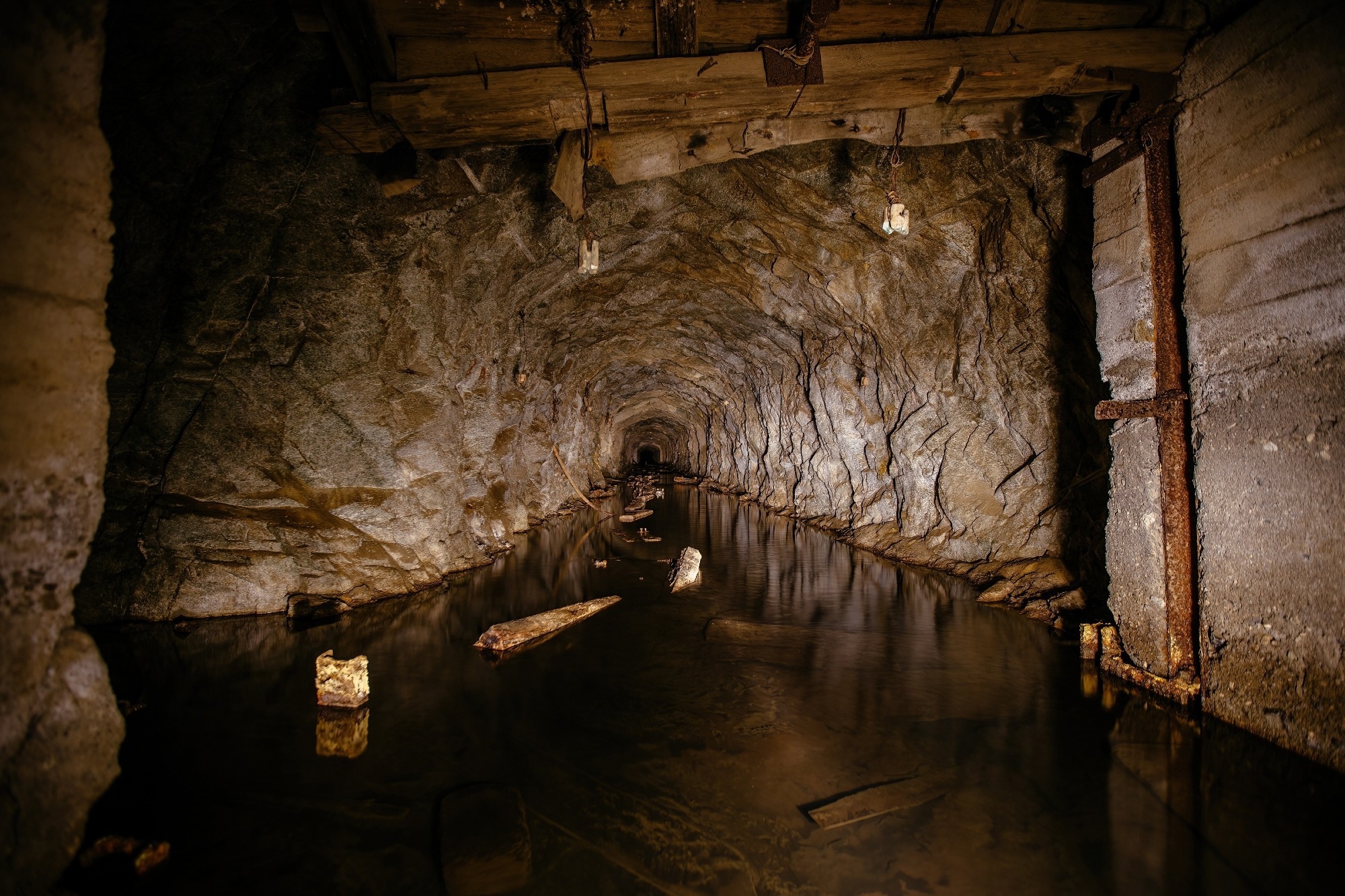 Study: Development of Potential Resources from Mine Waters from Hard Coal Mining as an Environmental Challenge for Sustainable Development- A Case Study of Poland. Image Credit: Vladimir Mulder/Shutterstock
The global mining industry is transitioning from traditional extraction methods to sustainable practices and resource circularity. A recent study published in the journal Resources examined the challenges of managing mineralized mine waters. It focused on Poland’s hard coal sector and showed that nearly 1.5 million megagrams (Mg) of dissolved mineral salts are discharged into surface waters annually.
Using a circular economy framework, the researchers demonstrated wastewater as a potential resource rather than a liability, emphasizing its role in sustainable regional development. This perspective is crucial in regions undergoing mining transitions, where legacy salt discharges continue to affect water resources and local ecosystems.
Evolving Water Management Practices in Coal Mining
Underground coal mining operations discharge and displace significant amounts of groundwater. As mining reaches deeper strata, it encounters aquifers that require continuous water pumping to maintain safe working conditions. Historically, this "mine water" was treated as waste and often discharged directly into nearby rivers with minimal treatment.
Today, its high salinity and mineral content have become major environmental concerns for economies, regulators, and ecosystems. The challenge is now shifting from simple drainage to advanced water management systems that align with the United Nations Sustainable Development Goals (SDGs) and standards. Treating mine water as a resource rather than a pollutant offers a more sustainable pathway. It requires a shift from traditional disposal practices to integrated systems that recover and utilize dissolved minerals.
Assessing Saline Emissions in Polish River Basins
Researchers systematically analyzed the Polish hard coal mining sector, a significant source of anthropogenic saline emissions in Europe. They combined historical discharge data with current statistics to track changes during the industry’s restructuring.
The study focused on two key metrics: total water discharge and the mass of dissolved inorganic compounds, primarily sodium chloride (NaCl). This analysis provided a clear view of the environmental pressure currently placed on regional water systems.
Existing water management systems across major catchments were evaluated to assess their resource recovery potential. The methodology included a comparison of environmental reports, discharge permits, and hydrological data from Polish river basins. Circular economy solutions, such as desalination and mineral crystallization, were also assessed to identify drivers of environmental impact and barriers to the adoption of water reuse technologies.
Download the PDF of this page here
Ecological Impacts and Resource Recovery Potential
The outcomes indicated significant environmental pressure from Poland’s hard coal mining sector. Underground operation discharged approximately 200 million m3 of mine water each year. These waters carry a massive mineral load, contributing to ecological damage, including "fish kill" events in major river systems, where elevated salinity disrupts aquatic ecosystems. Trends show that water discharge does not decline with decreasing coal production, and pumping often remains high or increases to protect active mines. Consequently, environmental impacts can persist beyond the economic life of extraction.
Pumping often remains high, or increases, to protect active mines and prevent subsidence in post-mining areas. As a result, the mineral concentration is sufficient for industrial-scale recovery, but only a small portion is currently utilized. This gap highlights a key opportunity to expand circular economy practices across the industry and improve sustainability.
Advancing Circular Economy Models in Mining Operations
This research highlights a shift in mine water management from a linear "drain-and-discharge" model to a circular "recover-and-reuse" system. Through advanced desalination, mining operations can extract high-purity NaCl and other industrial minerals.
These by-products can be reused across various industries, transforming waste streams into economic resources while offsetting treatment costs. Treated water can also be reused within mining for dust suppression, cooling, and transport, or supplied for industrial and municipal use in water-scarce regions. This approach reduces ecological risks, strengthens the economic resilience of mining regions, and lowers demand for virgin raw materials.
Pathways for Sustainable Post-Mining Development
In summary, this research highlights that mine water management is now a critical issue for sustainable post-mining development. Transitioning to a circular economy approach is essential to reduce long-term environmental impacts and meet regulatory standards.
Recovering water and minerals from these streams can alleviate environmental pressures while supporting sustainable development goals. Treated mine water can serve as both an industrial resource and a tool for ecological restoration. Future work should focus on scaling recovery technologies and developing policies that support resource reclamation. By doing so, the mining industry can transform a persistent environmental challenge into an opportunity for innovation, ensuring more sustainable outcomes for affected regions.
Journal Reference
Chmiela, A.; & et al. (2026). Development of Potential Resources from Mine Waters from Hard Coal Mining as an Environmental Challenge for Sustainable Development- A Case Study of Poland. Resources, 15, 55. DOI: 10.3390/resources15040055, https://www.mdpi.com/2079-9276/15/4/55
Disclaimer: The views expressed here are those of the author expressed in their private capacity and do not necessarily represent the views of AZoM.com Limited T/A AZoNetwork the owner and operator of this website. This disclaimer forms part of the Terms and conditions of use of this website.