Concerns about environmental pollution and its impact on human health have increased interest in understanding the bioaccessibility of toxic elements in mining waste. A recent study published in the journal Toxics examined the bioaccessibility of lead (Pb) and arsenic (As) in mining waste and soils contaminated by mining.
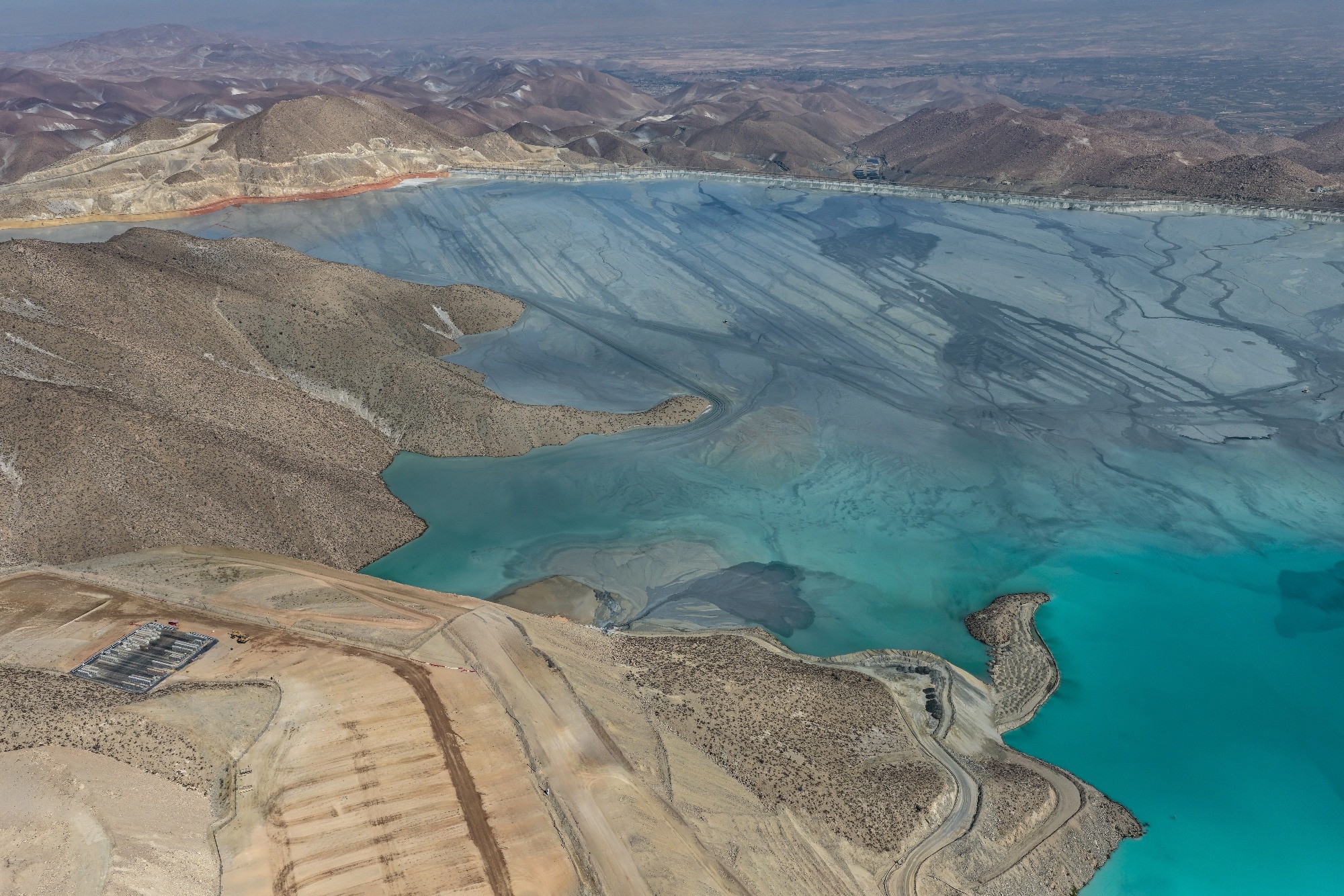
Image Credit: WILLIAM LUQUE/Shutterstock.com
Researchers demonstrated that physicochemical properties, particularly total metal concentrations and pH, significantly influence the bioaccessibility of these contaminants. These findings provide important insights for environmental risk assessment and the development of effective remediation strategies in mining-impacted areas.
Importance of Bioaccessibility Testing Methods
Bioaccessibility refers to the fraction of a contaminant that becomes soluble in the gastrointestinal tract and is available for absorption into the bloodstream. This concept is important for evaluating potential health risks associated with toxic elements in mining waste. Mining activities generate waste that may contain hazardous substances, including heavy metals and metalloids like Pb and As. Assessing bioaccessibility helps determine how much of the material could be absorbed by the human body after ingestion.
To evaluate this, scientists commonly use in vitro bioaccessibility tests that simulate human digestion. Established protocols, such as the Physiological-Based Extraction Test (PBET) and the Unified BARGE Method (UBM), simulate gastric and intestinal conditions to assess the release and solubility of contaminants during digestion.
Methodological Framework for Data Analysis
Researchers conducted a quantitative meta-analysis to investigate the bioaccessibility of Pb and As in mining waste and soils contaminated by mining activities. They reviewed 258 articles, applying strict inclusion and exclusion criteria, and shortlisted 32 studies. Data from 23 studies were analyzed, resulting in a dataset comprising 228 samples from various geographic locations.
Physicochemical variables, including pH, organic matter content, and grain size distribution, were evaluated for their influence on contaminant bioaccessibility. Statistical analyses were performed using R and RStudio, including tests for data normality, outlier detection, Welch’s t-tests, and ANOVA to compare bioaccessibility across sample types such as mine waste, tailings, and soils. Principal Component Analysis (PCA) was also applied to identify relationships between sample characteristics and bioaccessibility outcomes.
Key Findings on Contaminant Behavior
The study found that the mean gastric bioaccessibility of As was significantly lower in acidic samples than in neutral or alkaline conditions. This outcome highlights the strong influence of pH on contaminant solubility. Statistical analysis identified total concentrations of Pb and As, together with sample pH, as the most significant predictors of bioaccessibility.
Notable differences were observed among mining waste, tailings, and mining-affected soils, indicating that contaminant bioaccessibility varies by material type. Additionally, variations across testing protocols were significant, with the SBRC method yielding different bioaccessibility results than the PBET method. A limitation was the lack of detailed mineralogical data in many studies, which limited the ability to accurately predict contaminant bioaccessibility from mineral composition.
Want to save for later? Click here.
Applications for Environmental Management
This research has significant implications for environmental management and public health. Understanding the bioaccessibility of toxic elements in mining waste is crucial for assessing potential health risks, particularly for communities residing near mining operations.
Adding bioaccessibility data into environmental monitoring and risk assessment frameworks can enhance remediation strategies and support effective management of contaminated soils and mining residues. The results also highlight the need for improved reporting in bioaccessibility studies, including consistent documentation of sample pH and mineralogical composition. Greater transparency and standardized data would enable more reliable comparisons and improve predictions of contaminants under gastrointestinal conditions.
Conclusion and Future Directions
This study enhances the understanding of the bioaccessibility of Pb and As in mining waste and mining-affected soils. It identifies key factors controlling contaminant bioaccessibility and highlights variability among existing testing protocols. The findings emphasize the importance of developing standardized bioaccessibility methods and expanding mineralogical datasets to improve the reliability of risk assessments.
Future work should explore a broader range of contaminants and investigate remediation strategies that mitigate the impact of mining waste on human health and the environment. Overall, this research provides essential guidance for improving mining waste management and supports the development of safer and more sustainable mining practices.
Journal Reference
Cappuyns, V., and Dries, L. (2026). Bioaccessibility of Lead and Arsenic in Mining Waste and Mining-Affected Soils. Toxics, 14(2), 114. DOI: 10.3390/toxics14020114, https://www.mdpi.com/2305-6304/14/2/114
Disclaimer: The views expressed here are those of the author expressed in their private capacity and do not necessarily represent the views of AZoM.com Limited T/A AZoNetwork the owner and operator of this website. This disclaimer forms part of the Terms and conditions of use of this website.