The long-term environmental impacts of nickel (Ni) mining on coastal environments in New Caledonia have been investigated by researchers. Reconstructing nearly 1000 years of environmental DNA from the Thio coastal region, they used sedimentary ancient DNA (sedaDNA), microfossil analysis, and geochemical records preserved in marine sediments.
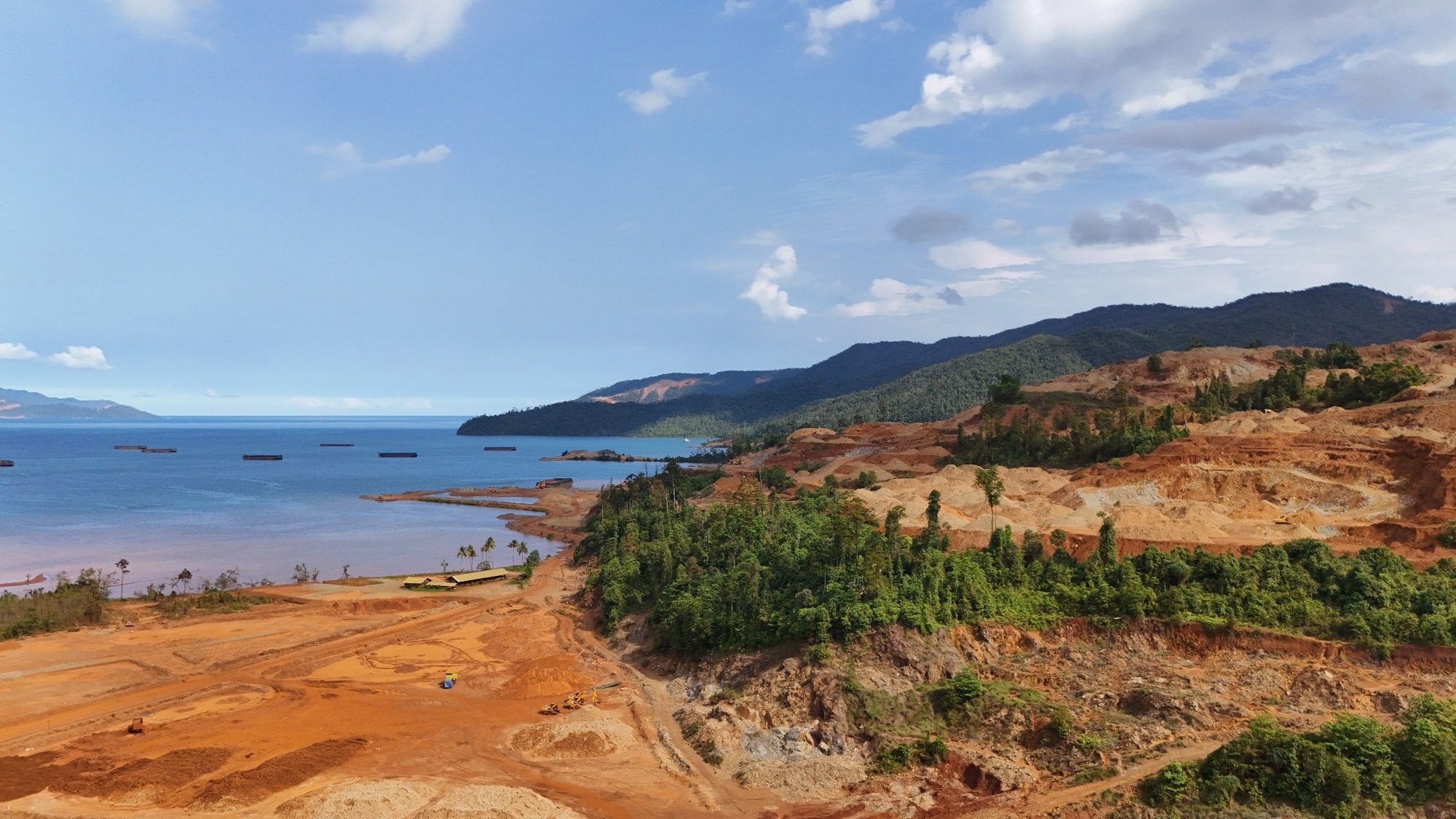 Study: Coastal ecosystem degradation driven by decades of unregulated terrestrial mining. Image Credit: Sesan13/Shutterstock.com
They found that decades of mining activity were associated with dramatically increased sediment runoff, altered coastal biodiversity, and reshaped the ecosystem’s structure. These findings were published in Communications Earth & Environment.
Tracing the Hidden Coastal Legacy of Nickel Mining
Mining significantly reshapes terrestrial landscapes through deforestation, erosion, and habitat loss, with impacts that often extend to downstream rivers and coastal ecosystems.
Sediments, metals, and other mining-related materials can be transported from watersheds into the ocean, where they may influence marine habitats and biodiversity. However, a lack of long-term environmental records has hindered understanding of mining's impacts on coastal ecosystems.
No time now? Download a free PDF to read this later!
Researchers studied the Thio River watershed in New Caledonia, home to the world's oldest continuously operating nickel mining district. Mining activities began in 1875, intensified following mechanization in the 1950s, and were later subject to environmental regulations introduced in 1975.
Although researchers have extensively studied the impacts of mining on land, its long-term influence on nearby coastal ecosystems has received far less attention.
The study reconstructed environmental conditions across different stages of mining development. It assessed how mining altered sediment transport, geochemistry, and coastal biodiversity.
The researchers also examined whether environmental regulations helped mitigate ecological degradation and promote ecosystem recovery. The results show that nickel mining fundamentally changed sediment delivery patterns and reshaped coastal ecosystems.
Reconstructing a Millennium of Environmental Change
Researchers collected a 226 cm sediment core near the mouth of the Thio River to investigate long-term ecosystem responses. Retrieved from the seafloor about one kilometer offshore, the core preserved an environmental record spanning roughly 1000 years.
The team established a detailed timeline using lead-210, cesium-137, and radiocarbon dating. This age model linked sediment layers to key historical periods, including pre-mining conditions, early mining activity, mechanized mining, and the post-regulation era.
Geochemical measurements tracked nickel and other trace metals, while grain-size analysis provided insights into erosion and sediment transport. The researchers also used source-tracing models to identify the geological origins of deposited sediments.
To assess ecological change, the team analyzed approximately 7000 foraminifera, microscopic marine organisms widely used as environmental indicators. They also extracted sedaDNA and characterized microeukaryotic communities.
Mechanized Mining Triggered Major Ecological Disruption
The sediment record identified five environmental phases that closely tracked the history of nickel mining in the Thio watershed. Coastal conditions remained relatively stable before mining began in 1875. Thereafter, nickel-rich sediments increasingly accumulated in the marine environment, signaling a growing mining influence.
The most significant changes occurred after mining operations became mechanized in the 1950s. During peak mining activity, sediment accumulation rates increased fivefold, rising from about 0.2 cm per year under natural conditions to approximately 1 cm per year.
Erosion from ultramafic mining areas transported large quantities of nickel-, cobalt-, chromium-, and iron-rich sediments into coastal waters, substantially increasing sediment loads.
These changes reshaped coastal ecosystems, as microeukaryotic diversity declined sharply and foraminiferal communities became increasingly unstable. Community composition shifted, indicating widespread ecological reorganization. Mining-related sediment inputs emerged as the strongest driver of biological change across the study period.
Several species showed clear responses to mining disturbance. Foraminiferal genera such as Spiroloculina, Wiesnerella, and Ammonia declined or disappeared following mechanization. In contrast, pollution-tolerant organisms became more abundant. The green microalga Desmodesmus, which can tolerate metal-rich environments, expanded during periods of elevated nickel concentrations.
The study also revealed stronger connections between terrestrial and marine ecosystems. Increased sediment transport carried terrestrial organisms and spores into coastal waters, potentially altering ecological interactions.
Despite mitigation measures, sedimentation rates remained elevated, biological communities stayed altered, and several sensitive species failed to return. These findings suggest that mining-related ecological impacts can persist for decades.
Implications for Sustainable Mining and Coastal Management
This study highlights the long-term influence of mining activities on coastal ecosystems. Researchers showed that mining-driven landscape disturbance can produce ecological impacts that persist far beyond the mine site and long after mining activities intensify.
The findings highlight the strong connection between terrestrial and marine environments. Increased erosion and sediment runoff altered coastal biodiversity, reshaped ecological communities, and introduced new environmental risks.
Though nickel concentrations have decreased in recent decades, several ecological indicators show only partial recovery of the coastal ecosystem, demonstrating that recovery from mining-related disturbances can be slow and incomplete. The results emphasize the importance of proactive environmental management.
Measures that reduce erosion and sediment transport at the source can be more effective than attempting to restore ecosystems after degradation has occurred. The study also demonstrates the value of long-term environmental monitoring in assessing the effectiveness of mitigation strategies.
The research showcases how sedaDNA, microfossil records, and geochemical analyses can help reconstruct the environmental legacy of mining. These tools can support ecosystem monitoring, improve impact assessments, and inform sustainable resource development.
The findings reinforce the need for integrated land-sea management approaches that account for the interconnected nature of watersheds and coastal ecosystems.
Journal Reference
Meyneng, M., Lemonnier, H., et al. (2026). Coastal ecosystem degradation driven by decades of unregulated terrestrial mining. Communications Earth & Environment. 7(1). https://www.nature.com/articles/s43247-026-03677-8.
Disclaimer: The views expressed here are those of the author expressed in their private capacity and do not necessarily represent the views of AZoM.com Limited T/A AZoNetwork the owner and operator of this website. This disclaimer forms part of the Terms and conditions of use of this website.